St. Petersburg Condo vs House: Which Lifestyle Fits?
July 2, 2026
July 2, 2026
Wondering whether a condo or a house makes more sense in St. Petersburg? You are not alone. In a city where you can live near a walkable downtown core or in a more traditional neighborhood setting, the right choice often comes down to how you want to spend your time, how much upkeep you want to handle, and how comfortable you are with shared costs and storm planning. This guide breaks down the real lifestyle tradeoffs so you can choose with more confidence. Let’s dive in.
In St. Petersburg, the condo versus house decision is closely tied to where and how you want to live. The city’s official downtown materials highlight a pedestrian-friendly core, the Downtown Looper, the Central Avenue trolley, waterfront parks, museums, and arts districts like the Waterfront Arts District, Central Arts District, Edge District, and Grand Central District.
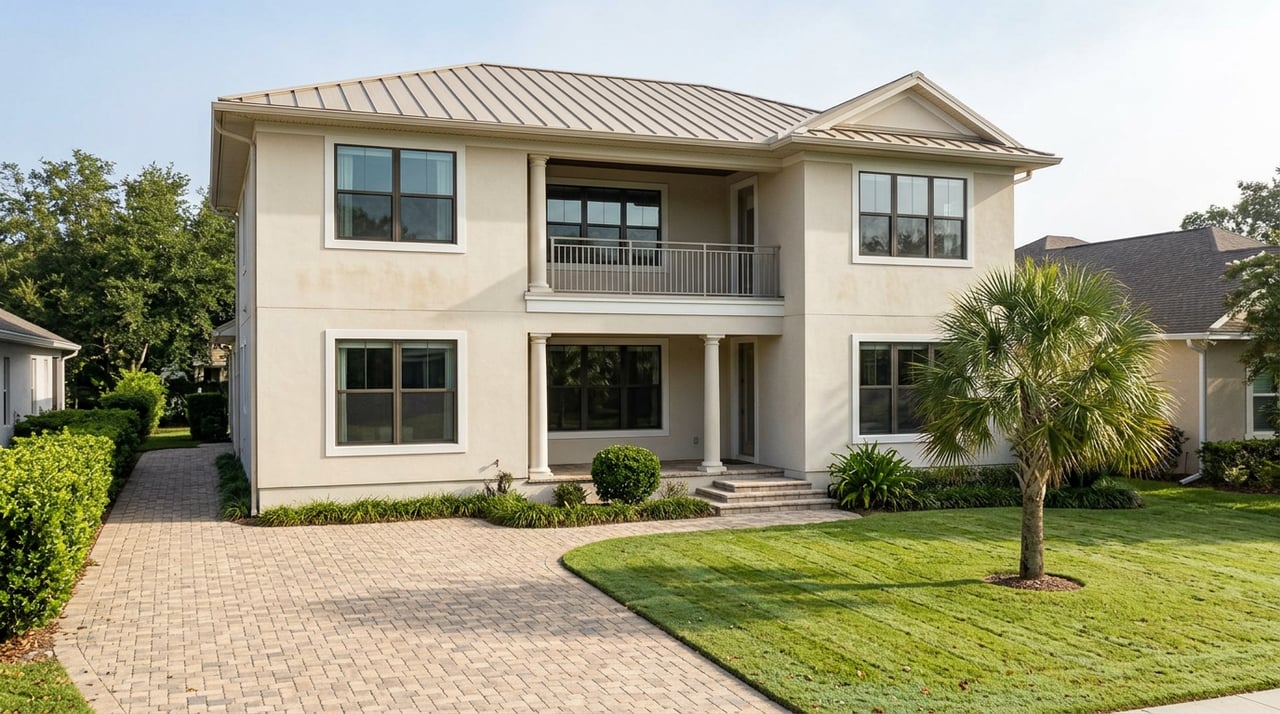
That setup makes condo living feel especially natural if you want an urban routine with more walkability and less driving. Official city maps also separate Downtown Center districts from Neighborhood Traditional Single-Family and Neighborhood Suburban Multi-Family areas, which suggests condos and multifamily homes are more concentrated near the urban core while detached houses are more common in traditional neighborhood districts.
For many buyers, a condo offers a simpler day-to-day rhythm. If you like the idea of being closer to downtown activity, waterfront parks, and trolley access, a condo can support a more lock-and-leave lifestyle.
A condo can also look more accessible from a price standpoint. In the Tampa-St. Petersburg-Clearwater metro area, the median sale price in February 2026 was about $297,000 for townhouses and condos, compared with about $404,000 for single-family homes.
That lower entry point is one reason many buyers start with condos. If you are a first-time buyer, downsizer, or value-conscious buyer trying to enter the St. Petersburg market, that price gap can matter.
The tradeoff is that condo ownership is not just about your unit. Under Florida law, the association is responsible for maintaining the common elements unless governing documents assign certain limited common elements to the unit owner.
In practical terms, that often means less direct exterior upkeep for you. It also means more shared decision-making, more reliance on association management, and less control over how some parts of the property are maintained and funded.
In Florida, condo dues can represent more than landscaping and common-area cleaning. State law allows associations to provide shared recreational use and treat related costs as common expenses, which can make dues feel like part of a bundled lifestyle package.
That can be appealing if you want convenience and shared amenities. Still, it is important to understand exactly what you are paying for and whether current dues reflect the building’s long-term needs.
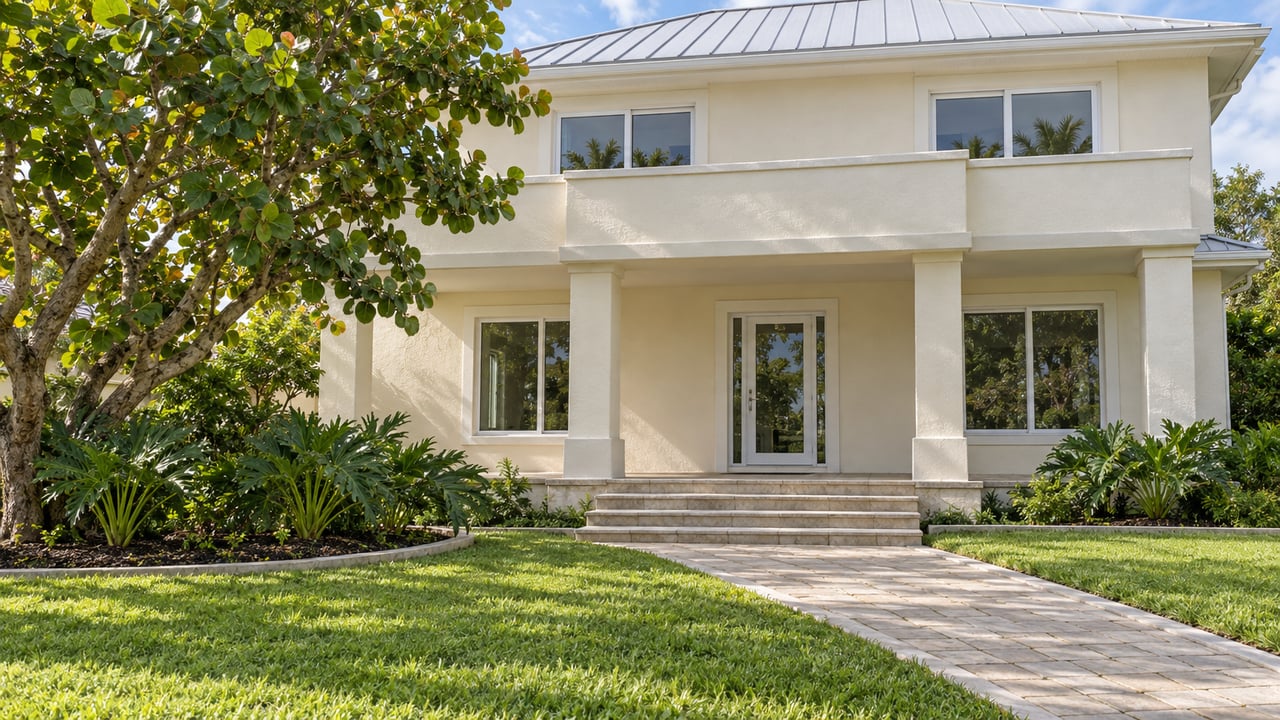
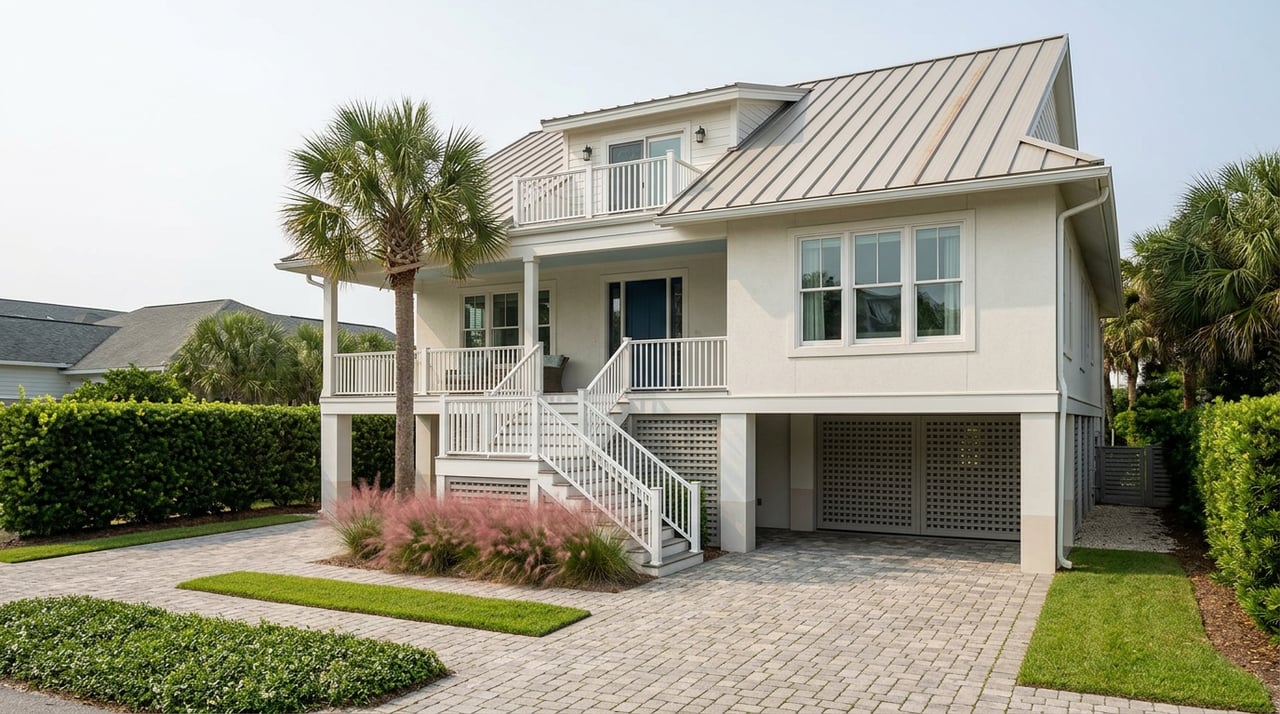
If you want more autonomy, a house often feels like the better fit. Detached-home ownership usually gives you more freedom to make changes, manage the property your way, and avoid another layer of association governance.
That added control is a big reason many buyers still prefer houses, especially if they want more space or a property they can shape over time. A detached home can be a strong match if you value independence and do not mind taking on more direct responsibility.
Owning a house means you are generally responsible for repairs, maintenance costs, taxes, insurance, and any HOA dues if they apply. The benefit is freedom. The challenge is that upkeep costs can be less predictable over time.
In a detached house, there is no association handling the roof, exterior structure, or common areas for you. If something needs repair, the planning and the bill usually fall directly on you.
A condo may cost less to buy, but that does not always mean it is cheaper to own month to month. Monthly dues, reserve funding, insurance structure, and possible assessments can narrow the gap between a condo and a house.
A house may have a higher purchase price, but your monthly costs may be more straightforward if you budget carefully for maintenance and insurance. The better value depends on whether you prefer predictable shared fees or more direct control over when and how you spend on upkeep.
| Factor | Condo | House |
|---|---|---|
| Typical upfront price | Often lower in the metro | Often higher in the metro |
| Monthly fees | Usually includes association dues | May not include dues unless HOA applies |
| Exterior maintenance | Often handled by association | Usually handled by owner |
| Budget surprises | Possible special assessments | Possible repair and replacement costs |
| Control over spending | Shared with association | Mostly owner-directed |
Insurance is one of the biggest areas where buyers need to slow down and ask questions. In a condo, your coverage usually works alongside the association’s master policy instead of replacing it.
Florida’s consumer insurance guide explains that an HO-6 policy covers your personal property, certain building items not insured by the association, and personal liability. Florida law also prevents the master policy from covering several interior items, including floor, wall, and ceiling coverings, appliances, built-in cabinets and countertops, and window treatments.
That means condo buyers need to understand where the association’s responsibility stops and theirs begins. The same guide also notes that owners can face loss assessments if damage to commonly owned areas is not fully covered or reserves are not sufficient, and HO-6 policies must include at least $2,000 in loss-assessment coverage.
With a house, insurance is usually more direct because you are not coordinating your policy with a condo master policy. But direct responsibility also means you need to think through the full property, not just the interior.
In St. Petersburg, flood planning should be part of the decision from day one. Pinellas County says everyone lives in a flood zone, flood zones are different from evacuation zones, and most homeowners insurance policies do not cover flood damage.
That means neither condos nor houses get a free pass on storm and water risk. Whether you are comparing a downtown condo or a detached house in a traditional neighborhood, you should weigh flood zone, storm-surge exposure, and possible flood insurance needs alongside the purchase price.
The condo question in Florida has more moving parts than it did a few years ago. For buildings that are three habitable stories or more, state law requires milestone inspections at age 30 and every 10 years after that, with earlier timing possible in saltwater-adjacent areas.
Florida also requires certain condominium associations to complete structural integrity reserve studies and fund reserves for key structural items in covered situations. That matters because a low monthly fee may not tell the full story if a building still faces higher dues, a special assessment, or financing needs later.
If you are considering a condo in St. Petersburg, pay close attention to:
These details do not automatically make a condo a bad choice. They simply make due diligence more important.
A condo may suit you best if you want convenience, walkability, and less exterior maintenance. This can be especially appealing if you picture yourself spending more time enjoying downtown St. Petersburg and less time managing a property.
A house may suit you best if you want more control, more privacy, and more freedom in how you maintain or update the property. If you are comfortable planning for repairs and want fewer shared governance layers, a detached home may feel more straightforward.
A condo may be the stronger fit if you want:
A house may be the stronger fit if you want:
In St. Petersburg, there is no one-size-fits-all answer. Condos often trade lower upfront pricing and urban convenience for dues, shared governance, reserve obligations, and a more layered insurance picture. Houses often trade more direct maintenance and full-cost responsibility for greater control and fewer association complications.
The best move is the one that matches your routine, budget, and comfort level with risk. If you want help comparing specific St. Petersburg condos, houses, and neighborhoods through a real-world lens, Madison Wells can help you narrow the options and make a confident decision.
Stay up to date on the latest real estate trends.