Smart Tips for Staging a Historic Old Northeast Home
July 16, 2026
July 16, 2026
Selling a home in Historic Old Northeast is not the same as selling a cookie-cutter house anywhere else. Buyers here are often drawn to original architecture, front porches, mature streetscapes, and the feeling of a home that belongs to St. Petersburg’s historic fabric. If you want your home to stand out, thoughtful staging can help buyers see that value clearly, both online and in person. Let’s dive in.
Historic Old Northeast, commonly tied to St. Petersburg’s North Shore Historic District, includes a wide mix of early- to mid-20th-century homes across roughly 425 acres. The district is known for styles like Craftsman, Colonial Revival, Mediterranean Revival, Tudor Revival, Prairie, and Frame Vernacular, along with details such as porches, intact garages, landscaping, granite curbs, and hexagonal sidewalk pavers.
That matters because your home’s character is not just a nice extra. In this neighborhood, architectural identity is part of the listing story. Staging should help buyers notice those original details quickly instead of covering them up with too much furniture or décor.
Market data also points to a premium price point in Historic Old Northeast. As of mid-2026, Zillow reported an average home value near $996,800 and a median list price of $1,110,500, while Realtor.com reported a median listing price of $1.172 million and 83 active listings in May 2026. The exact number depends on the source, but the takeaway is simple: buyers at this level expect presentation to match the setting.
The best staging plan for a historic home starts with editing, not decorating. Your goal is to let buyers see the room, the layout, and the original craftsmanship without distraction. That means every choice should support the bones of the house.
Think about what makes your home memorable. It might be wood trim, built-ins, original floors, arched openings, stair balusters, tile, or tall windows that frame the porch and street. Arrange furniture so those features stay visible and easy to photograph.
When a room has strong architecture, less usually works better. Avoid overfilling spaces with extra chairs, small tables, or collections that break up the room visually. A simpler layout helps buyers understand scale and flow.
This is especially helpful in older homes, where room sizes and transitions can feel different from new construction. Clear sightlines help buyers move their eyes from one feature to the next, which makes the home feel more intentional and easier to appreciate.
Historic homes often already have visual richness through trim, floors, tile, and windows. A calm, cohesive color palette helps those original materials stand out. Neutral bedding, understated art, and simple textiles usually support the architecture better than bold patterns or heavy contrast.
That does not mean the home should feel cold. It should feel polished, warm, and lived-in, just without competing with the details that buyers came to see.
Thoughtful staging is not the same as trying to recreate the past. St. Petersburg’s preservation code emphasizes preserving distinctive features and avoiding conjectural features that create a false sense of history. In practical terms, that means authenticity matters.
A few period-friendly accents can work well, but a room should never feel like a set piece. Buyers want charm, but they also want to imagine daily life in the home. If the décor feels forced or overly themed, it can distract from the real architectural value.
Instead of filling shelves with vintage objects, use one or two accents that complement the style of the house. A simple ceramic piece, classic mirror, or understated light linen can add warmth without turning the room into a performance.
The goal is to suggest character, not stage a reenactment. In Historic Old Northeast, buyers tend to respond best when the home feels authentic, clean, and easy to understand.
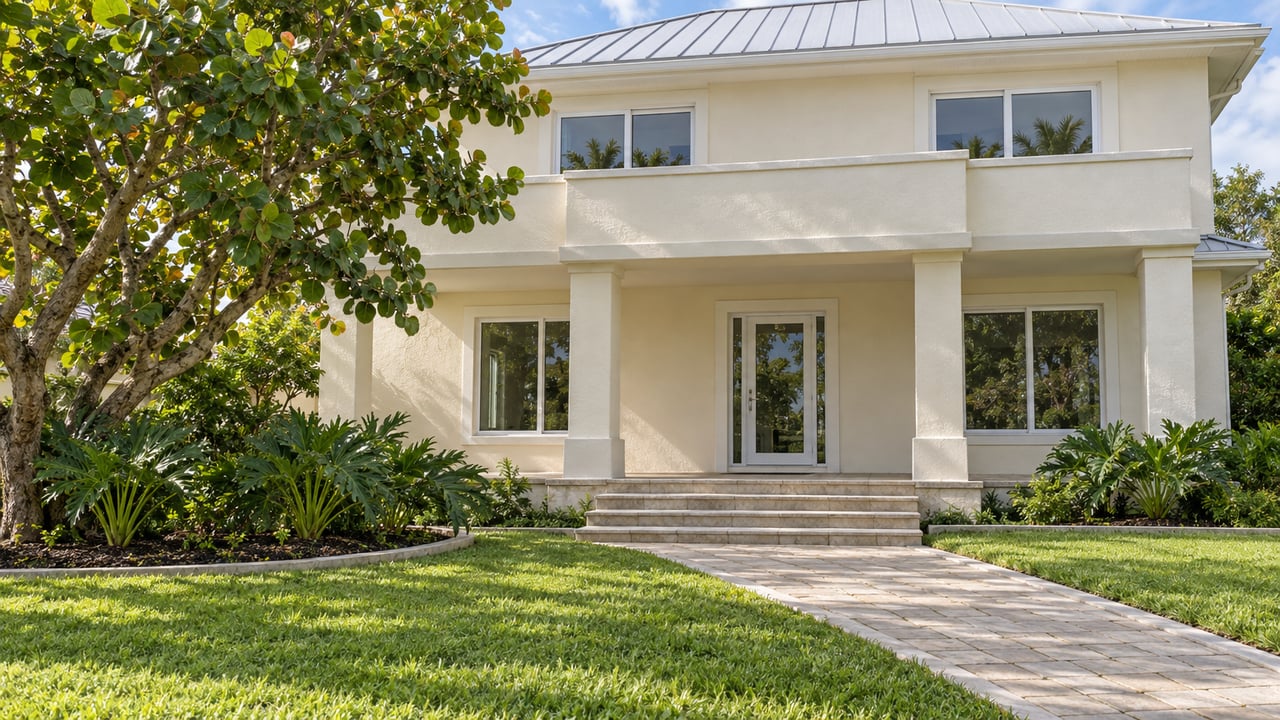
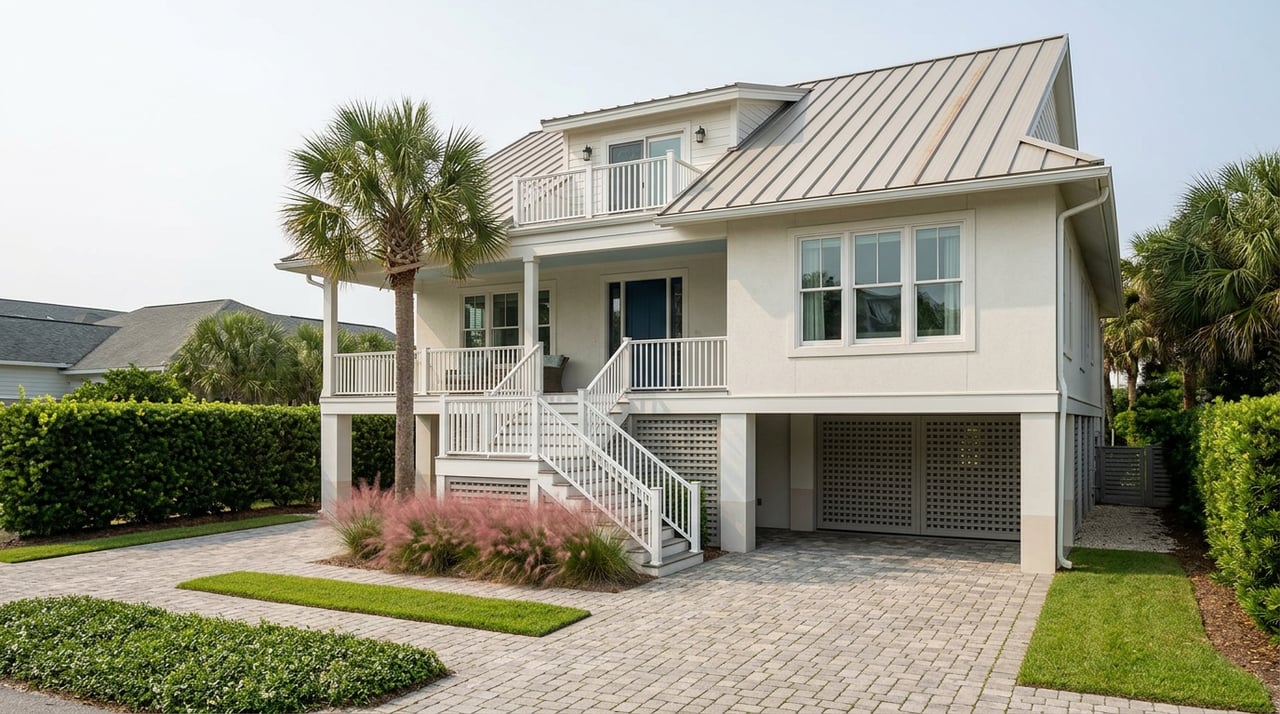
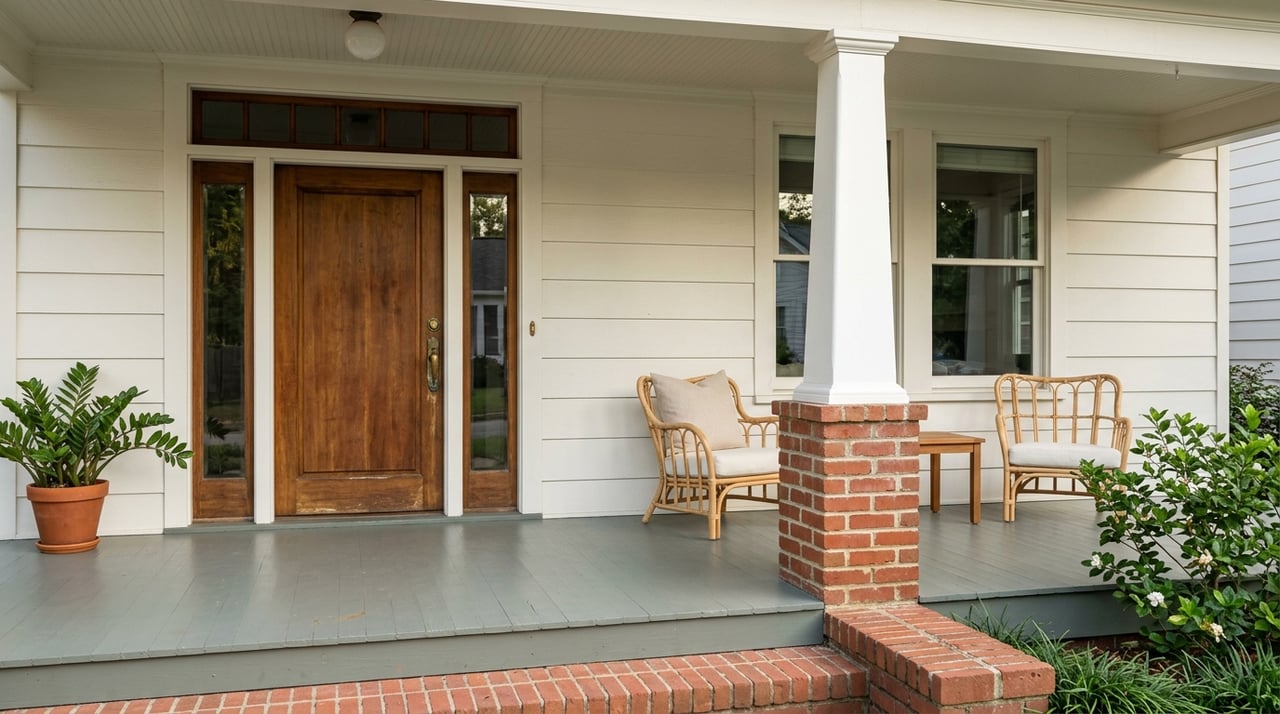
In this neighborhood, the front porch does a lot of work. The district nomination highlights porches, landscaping, pergolas, and the overall streetscape as defining features. That means curb appeal is not just about trimming plants or pressure washing the walkway. It is about showing how the home connects to the street and the neighborhood around it.
A front porch should feel welcoming, open, and intentional. Clean the threshold, simplify the furniture, and remove anything that makes railings or columns feel visually busy. You want buyers to see the architecture and imagine how the porch functions as everyday living space.
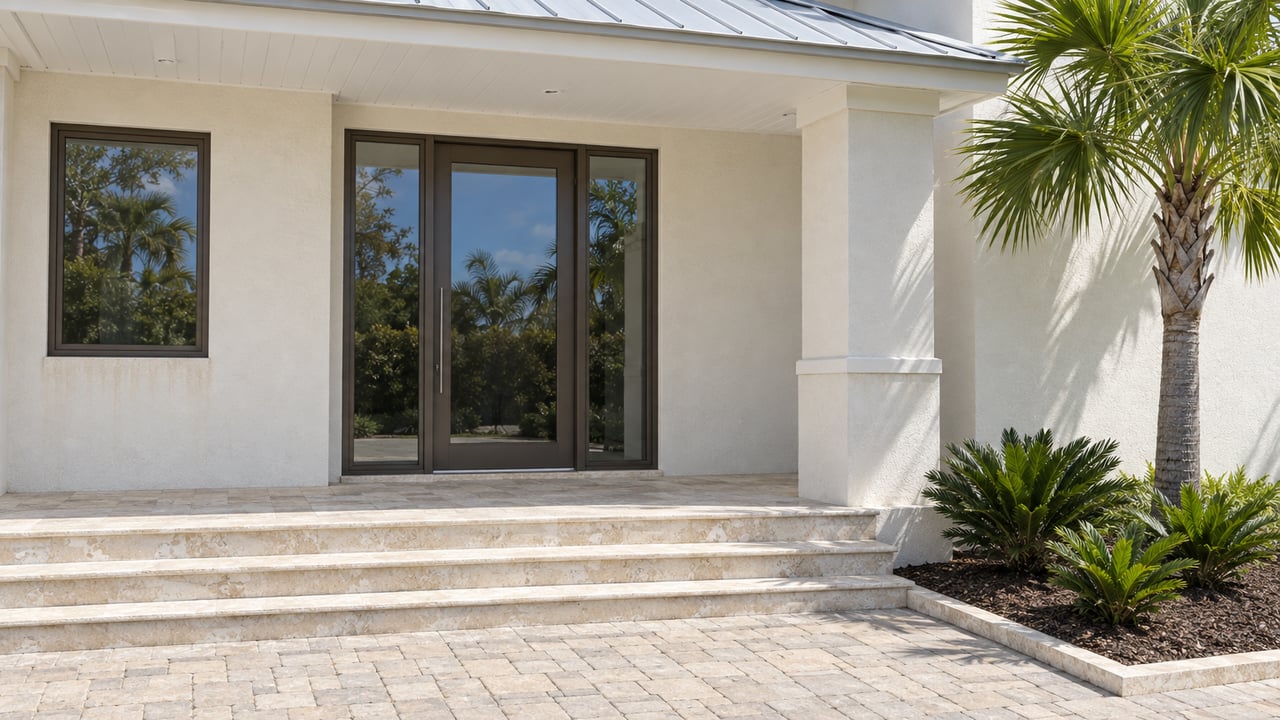
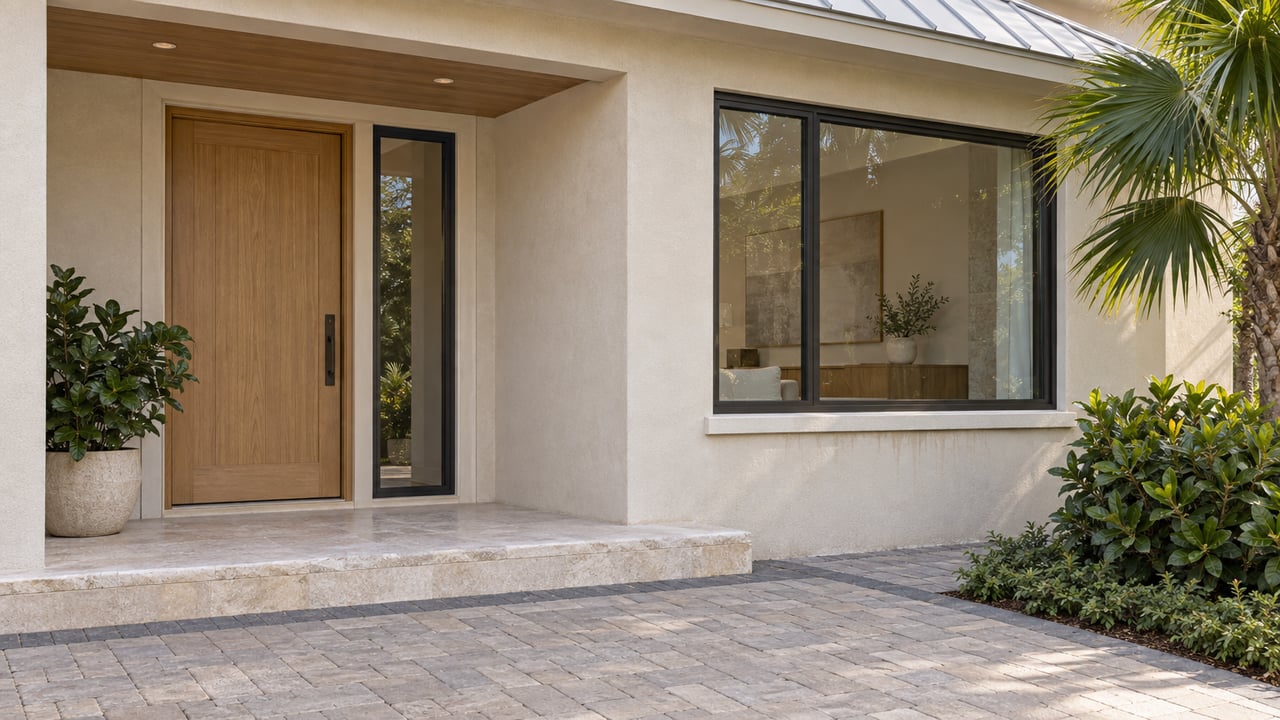
Your entry should feel crisp from the moment someone walks up. That includes the front door area, porch floor, lighting, and any seating. If you have a porch swing, a pair of chairs, or a small bench, keep the setup light and symmetrical enough to photograph well.
Because so many buyers begin online, the porch often helps create the emotional first impression. In Historic Old Northeast, that impression can be one of the strongest selling points in the whole listing.
According to the National Association of Realtors’ 2025 Profile of Home Staging, 83% of buyers’ agents said staging made it easier for buyers to visualize a property as a future home. The same report found that living rooms, primary bedrooms, dining rooms, and kitchens are among the rooms most often staged.
That is a useful guide if you are deciding where to spend time and budget. Focus first on the spaces that shape the buyer’s overall impression and support the strongest listing photos.
If your home has standout architectural features in another area, such as a sunroom, original tile bath, or garage apartment, those spaces may deserve extra attention too.
Staging today has to work on camera. NAR reports that 52% of buyers found the home they purchased online, and 81% rated listing photos as the most useful feature in their search. Buyers’ agents also rate photos, physical staging, videos, and virtual tours as highly important.
That is why staging and marketing should work together from the start. A beautiful room that does not photograph well is a missed opportunity, especially in a neighborhood where character and context matter so much.
For a Historic Old Northeast listing, your visual story should usually include:
These images help buyers understand not just the house, but why it belongs in this part of St. Petersburg. That neighborhood context can be a major advantage.
There is a difference between polished and misleading. NAR has warned that overly perfect listing photos can create a disconnect when buyers arrive in person. In a historic neighborhood, that mismatch can feel especially noticeable.
The best marketing flatters the home while staying honest. Clean, bright, and thoughtfully framed is the goal. You want buyers to feel even better when they walk through the front door than they did when they saw the listing online.
If you are thinking beyond staging and considering exterior updates before listing, pause first. St. Petersburg’s historic preservation code says that for local landmarks and properties within local landmark districts, a certificate of appropriateness is required before exterior alterations, new construction, demolition, or relocation.
The code also states that removal or alteration of historic materials and distinctive features should be avoided. For sellers, that makes interior staging one of the smartest low-risk moves, while permanent exterior changes should be checked carefully against local rules.
Before replacing windows, repainting trim, changing porch elements, or making other exterior updates, confirm whether the property is subject to local historic review. The city’s design guidelines are intended to help owners identify architectural style and make decisions that affect exterior appearance.
That does not mean you cannot improve presentation. It simply means temporary staging and strong marketing are often the better first step when you want to prepare a historic home for market without creating extra complications.
Home staging can do more than make a house look pretty. NAR’s 2025 data found that 29% of sellers’ agents saw a 1% to 10% increase in dollar value offered, and almost half said staging reduced time on market. In a neighborhood like Historic Old Northeast, those benefits are even more meaningful when the staging supports the home’s true character.
The strongest approach is preservation-minded editing. Clear the space enough to let the original bones show, make the porch and entry feel intentional, and present the home with professional media that captures both the architecture and the setting. Buyers here are often looking for more than square footage. They are buying charm, context, and a place within one of St. Petersburg’s most recognizable historic streetscapes.
If you are preparing to sell in Historic Old Northeast and want a strategy that respects the home’s character while maximizing presentation, Madison Wells can help you plan a polished, market-ready launch.
Stay up to date on the latest real estate trends.