Terra Ceia Island Things to Do: Trails, Waterways & History
September 24, 2026
September 24, 2026
If you want to send a letter from Terra Ceia Island, you walk into a building that used to hold someone else's money. The Bank of Terra Ceia went under in 1931, one more small casualty of the Great Depression. Nobody tore the building down and nobody built a replacement. The post office, which had already been serving the island since 1891, simply moved into the empty bank and stayed. It is still there.
That detail is more than trivia. It is the shortest possible version of what this island actually is: a place where almost nothing gets built new, because almost nothing here has ever needed to be. The businesses, the trails, the water routes, even the mail all run on the same logic. Terra Ceia doesn't grow. It reuses.
The timeline is worth sitting with for a second. Terra Ceia's first permanent settlers, Joseph and Julia Atzeroth, arrived in 1843. The post office opened in 1891, decades before the bank that would eventually house it even existed. Then in 1926 a storm surge swept over the island and made farming difficult enough that the Seaboard Airline Railroad pulled its service and abandoned the depot. Five years later, the bank failed. The post office, older than both the railroad's collapse and the bank's failure, kept going, and it absorbed the empty bank building because that building was simply there and no longer being used for anything else.
You can read the fuller timeline on Wikipedia, but the shape of it matters more than any single date. This is an island that has spent close to two hundred years solving problems by reusing what already exists rather than building something new to replace it.
Part of the reason nothing gets built here is that there isn't much land left to build on. Terra Ceia Preserve State Park protects 1,932 acres of the island, most of it mangrove forest, salt marsh, and upland hardwood hammock that the Southwest Florida Water Management District and the Florida Department of Environmental Protection actively manage as conservation land. That's not a park carved out of a larger developable island. For long stretches of Terra Ceia, the preserve simply is the island.
What's left over is a narrow strip where people actually live and work, much of it still tied to the same agricultural roots that brought settlers here in the first place. The community page for the island describes it plainly: historic farms, a close-knit population, neighbors who support each other's small businesses. That isn't marketing language so much as a description of what happens when there's no room, and no appetite, for the island to become something bigger than it already is.
The handful of businesses that operate on Terra Ceia today read almost like a continuation of the same 19th-century economy, just with different names on the sign.
None of these are large operations, and none of them are trying to be. They fit the island the way the post office fits the old bank: sized to what's actually needed, not to what could theoretically be built.
If you've only ever pulled up Terra Ceia on a hiking app and picked whichever trail showed up first, you've probably missed the fact that the preserve actually has two separate entrances that feel almost nothing alike.
The main entrance sits on Terra Ceia Road, accessed through gates on Hightower Road. From there, Florida State Parks lists nine miles of trail for foot traffic, including the White Trail, the Blue Loop, and the Long Loop, all of it winding through mangrove hammocks and salt marsh that make this genuinely wild terrain. There are no restrooms and no facilities. Bring water and bug spray, and expect the trails to flood and close during wet season, since that's part of how the marsh actually works.
The second entrance is a different experience entirely, and it's easy to miss if you're not looking for it. The Frog Creek section is managed separately by the Southwest Florida Water Management District and accessed from Rock Payne Road, also known as 85th Street East. The trails here run about one mile around a set of lakes, and those lakes aren't natural. They're former borrow pits, dug up during the construction of I-275, later left to fill in and become part of the landscape. One visitor summed up the loop simply:
"A nice quiet and scenic grassy trail around a few ponds. Great morning walk!"
That's the whole point. It's a short, easy loop that happened to be built from highway construction leftovers and then never touched again, which fits the island's pattern about as well as anything could.
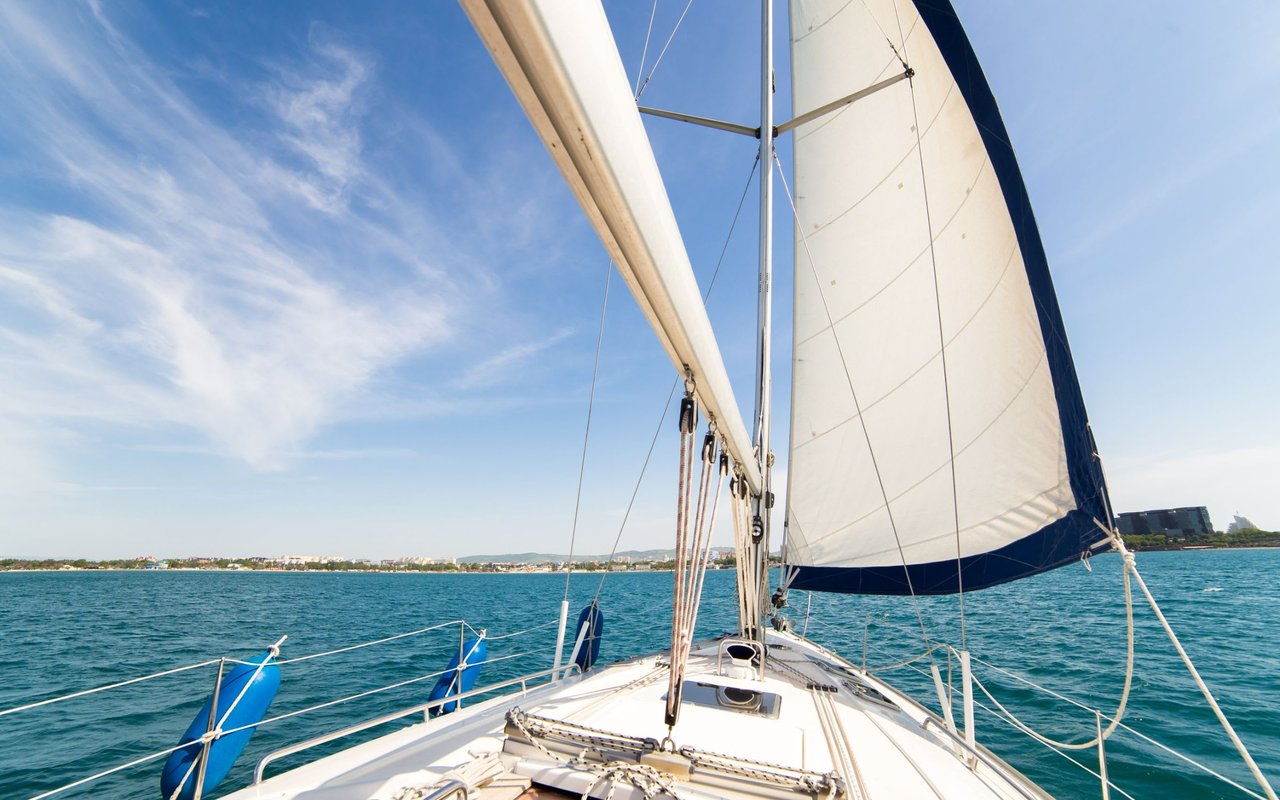
Long before there was a post office or a bank to fail, Terra Ceia's earliest visitors were Cuban and Spanish fishermen who set up seasonal camps here in the late 1700s to catch and prepare fish for shipment back to Cuba. The waters they worked are the same ones people paddle today. The Bishop Harbor Blueway is a roughly three-mile paddling route that winds through Bishop Harbor and into a narrow channel known locally as Hells Half Acre, shallow and mangrove-lined the whole way. Paddlers regularly see herons, egrets, cormorants, dolphins, and a run of fish that includes mullet, redfish, tarpon, and snook, the same species that would have filled a fisherman's nets two and a half centuries ago.
Nearby, the Madira Bickel Mound preserves archaeological evidence of habitation on this stretch of Tampa Bay stretching back thousands of years. Terra Ceia has been a place people fished, farmed, and lived quietly for a very long time, and the island has never really stopped being that.
Put it together and the island's rhythm looks something like this: a morning trail walk out of either the Hightower Road gates or the quieter Frog Creek loop off Rock Payne Road, a paddle out through Bishop Harbor if the tide cooperates, a stop at Rosie's for produce or Zula's for whatever Jane Cofer has in the shop that week, and eventually a walk into the old bank building to check the mail. None of it requires anything that isn't already here, which is exactly why it still works.
Terra Ceia isn't quiet because it's been overlooked. It's quiet because it was built, slowly and unevenly, by people who kept reusing what they had rather than replacing it, and it never grew past the point where that stopped being enough.
If you already call this island home, you probably knew most of these places by name. If any of this is new to you, it's worth the drive out to see for yourself which entrance you like better. Madison Wells spends a lot of time in this corner of Manatee County and is always glad to talk through what makes a specific stretch of it work for the way you actually want to live, whether that's a quiet morning trail or an afternoon on the water.
Stay up to date on the latest real estate trends.