The Number That Decides Whether Your Pass-a-Grille Renovation Becomes a Rebuild
September 17, 2026
September 17, 2026
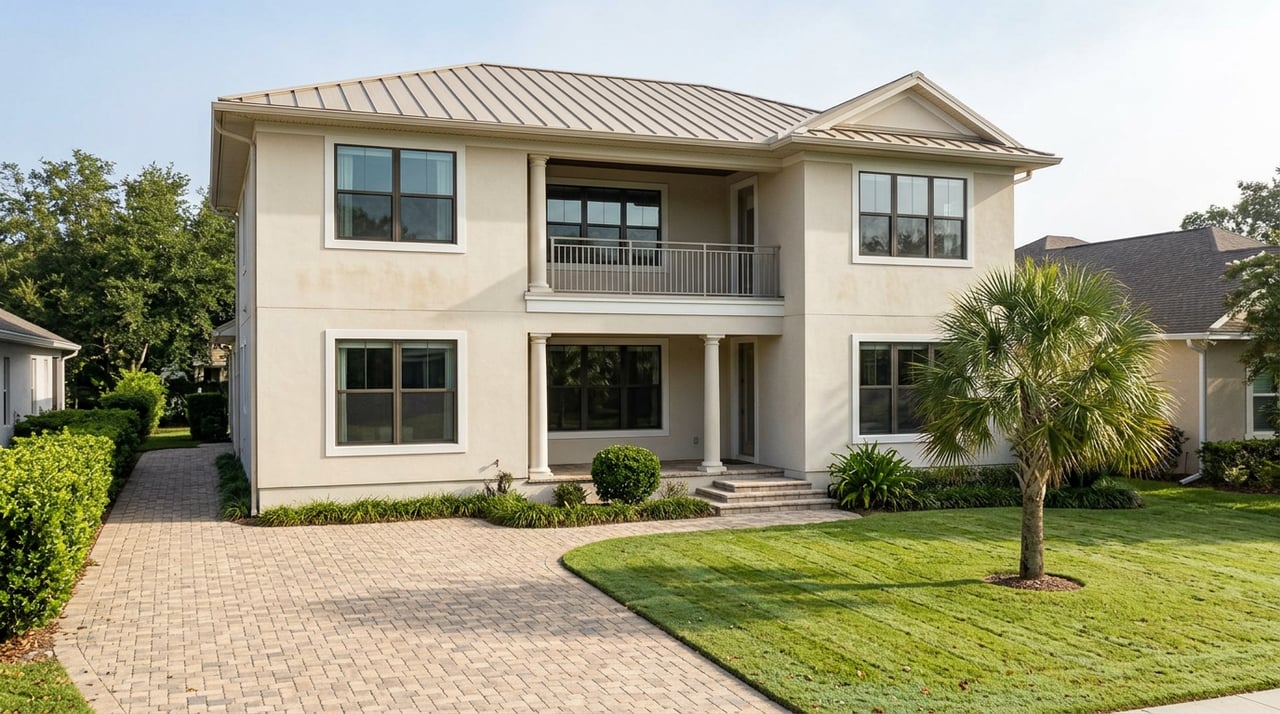
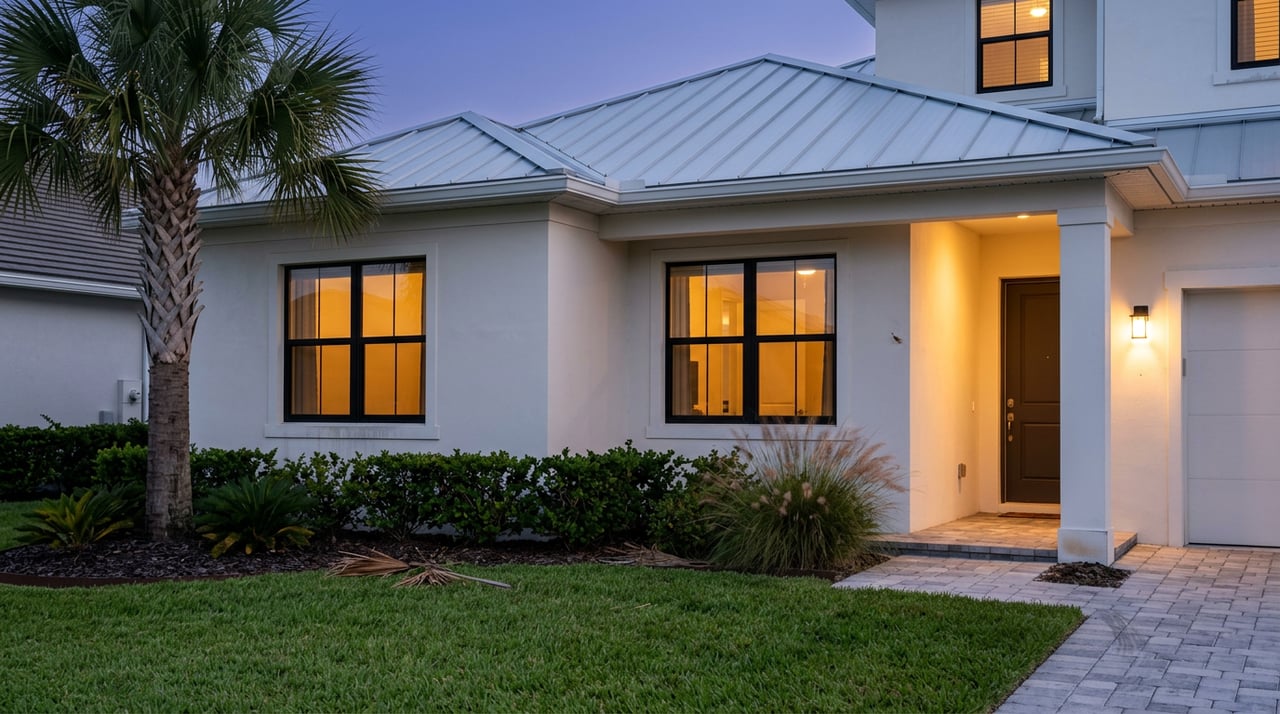
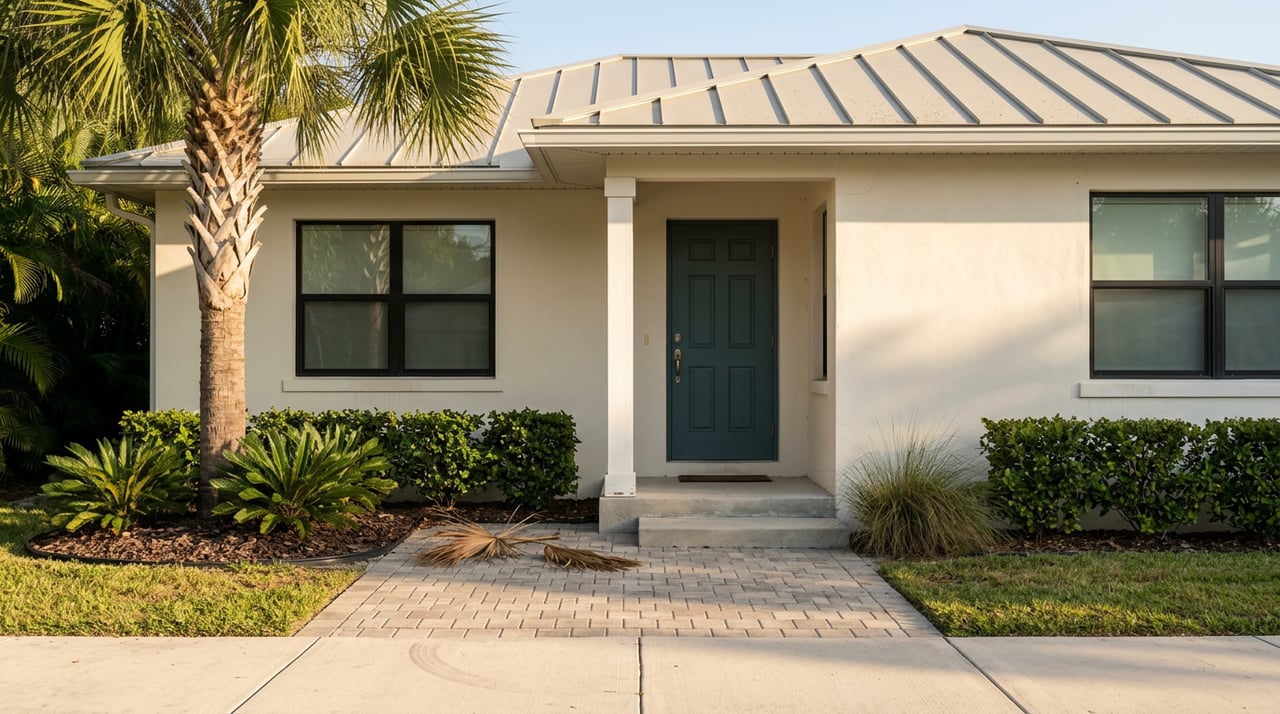
Walk the blocks between 4th and 12th Avenue in Pass-a-Grille and you'll notice how small the footprints are. Under the city's overlay rules, a House-Small lot can run as narrow as 32 feet wide, with as little as 1,600 square feet of land and coverage allowed up to 90 percent. Most of the cottages sitting on those lots were built between the 1920s and the 1960s, long before impact glass and raised foundations were standard. On a barrier island where waterfront dirt commands a premium, the land under one of these cottages is often worth far more than the building on top of it.
That imbalance is exactly what decides whether a renovation stays a renovation or turns into a full rebuild. The number that matters most isn't your contractor's estimate or your total budget. It's a ratio: what your project costs against what your structure alone is worth, with the land value stripped out entirely. On most Pass-a-Grille cottages, that ratio tips against homeowners faster than they expect.
Federal flood rules require that once the cost of repairing or improving a building reaches half of the structure's own market value, separate from the land, the entire building has to come up to current flood code. In most cases on this island, that means raising it. The rule doesn't distinguish between a hurricane claim and a voluntary kitchen remodel. Either way, once you cross the threshold, you're rebuilding to today's standard, not patching yesterday's.
Here's the plain version:
If your renovation costs half or more of what your cottage's walls and roof are worth on their own, without the lot underneath them, the city requires the whole building to meet today's flood elevation standard. It does not matter whether the money went toward storm repair or a design choice you made on your own.
The math only works one way once the structure's value is small. A kitchen redo, two updated bathrooms, and a set of impact windows can be enough to cross 50 percent on a modest mid-century cottage, long before you've touched the floor plan or added square footage. Anyone budgeting a project here should start with an independent appraisal of the structure alone, not a glance at the county's combined land-and-building assessment, because that combined number will make the threshold look much further away than it actually is.
St. Pete Beach applies one freeboard standard citywide, with a carve-out for Pass-a-Grille specifically.
| Lowest Floor Requirement | |
|---|---|
| Most of St. Pete Beach | Base Flood Elevation plus one foot, or the Design Flood Elevation, whichever is higher |
| Pass-a-Grille Overlay District | Base Flood Elevation only, no added foot |
That exemption sounds like a break, and in one sense it is: owners here aren't required to build a foot higher than the federal minimum the way homeowners elsewhere in the city are. But the overlay pairs that exemption with its own height cap. Residential buildings in the district are capped at 28 feet to the midpoint of a sloped roof, or 32 feet overall, and that cap is measured starting from Base Flood Elevation, not from ground level.
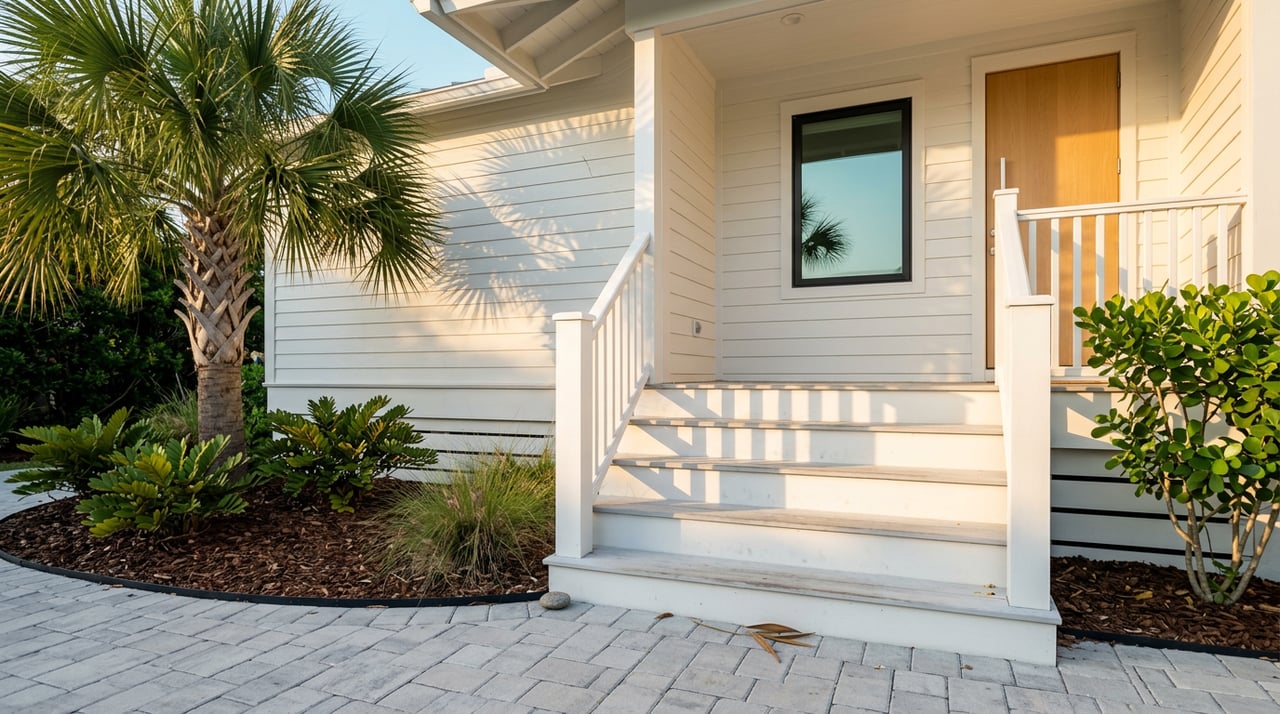
That detail matters more than it sounds like it should. On a lot where the first floor has to sit well above grade to meet flood code, measuring the height cap from BFE rather than from the ground means the cottage doesn't lose usable roofline just because it has to sit higher off the dirt. The buildable envelope gets fixed the moment the flood map and the survey come back, and no amount of design creativity moves it after that.
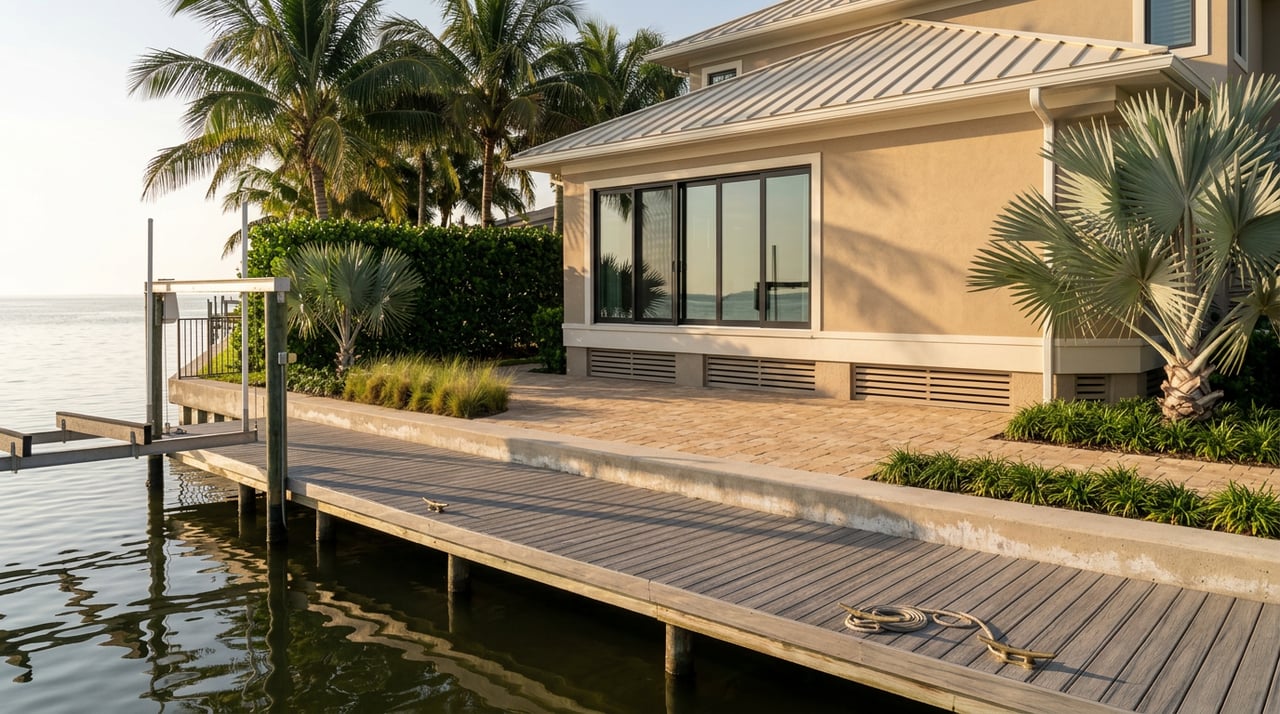
Along the Gulf-facing edge of the island, current FEMA flood maps put Base Flood Elevation in the range of 12 to 14 feet NAVD88 in the V zones that take direct wave action. That number varies block to block on a barrier island this shape, so anyone evaluating a specific address should pull the parcel's exact elevation from Pinellas County's flood map service rather than borrowing a neighbor's number.
One assumption that trips up buyers planning a phased renovation: splitting a project into separate permits over a few years does not reset the 50 percent calculation. St. Pete Beach counts the total cost of all the work toward the same determination, whether it happens under one permit or three spread across different years. A new roof this year and a kitchen next year can add up to the same outcome as doing both at once. If you're planning to spread work out specifically to stay under the line, that plan needs to be confirmed with the city's building department before you pull the first permit, not assumed on your own.
Pass-a-Grille was added to the National Register of Historic Places in 1989, and a 2003 boundary expansion brought the historic district to roughly 450 contributing buildings across the south end of the island. Given how much of the neighborhood's housing stock qualifies, it's worth knowing that St. Pete Beach does allow a narrow exemption: alterations to a structure on the local historic registry, or one contributing to the Pass-a-Grille Historic District, may not have to meet the same substantial improvement standard, as long as the work doesn't threaten the building's historic designation.
The city's own hurricane recovery permitting page is direct about this: the exemption is possible, not automatic, and it's decided case by case by the planning and zoning office. A listing that mentions a home is "on the historic registry" is not the same as a determination letter confirming the exemption applies to your specific renovation plans. Anyone counting on that exemption to make a project pencil out should get it confirmed in writing before assuming it into a budget.
A few habits separate the buyers and sellers who navigate this cleanly from the ones who get surprised mid-project.
None of this makes Pass-a-Grille a harder place to own. It makes it a place where the paperwork matters as much as the walk-through, and where the agent and contractor you bring in before you write an offer save you more than the ones you bring in after.
Does a purely cosmetic renovation count toward the 50 percent threshold? Yes. The rule counts the total cost of the work, including design fees, permitting, and contractor overhead, regardless of whether the trigger was storm damage or a voluntary upgrade.
Can I avoid the threshold by spreading the work out over a few years? Not in St. Pete Beach. The city counts cumulative costs across permits toward the same determination, so several smaller projects can add up to the same outcome as one large one.
Does being inside the National Register historic district automatically protect my renovation? No. The city allows a narrow exemption for work that wouldn't remove a structure's historic designation, but that call is made case by case by planning and zoning, not guaranteed by the district listing itself.
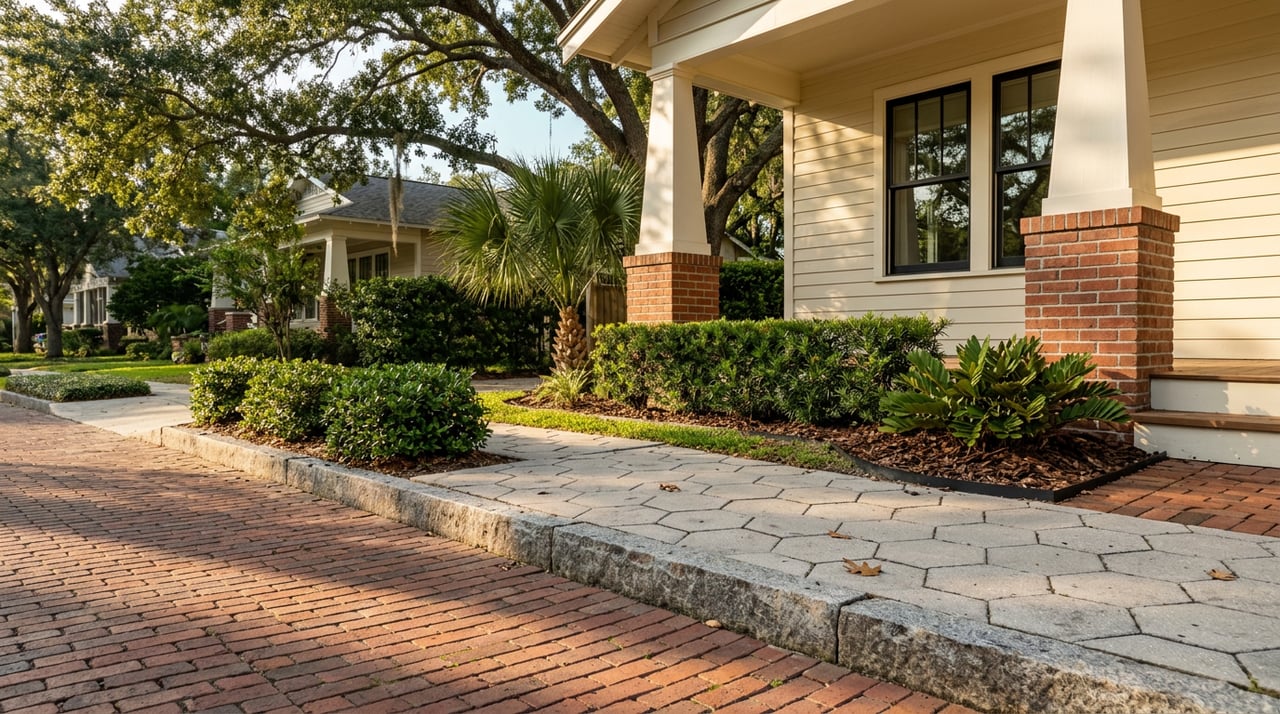
If you're weighing a Pass-a-Grille cottage, whether you're the one selling it or the one about to fall for its brick streets and porch light, the numbers behind the renovation deserve the same attention as the number on the listing sheet. Madison Wells works this stretch of the Pinellas coast regularly and can walk you through what a specific parcel's flood history and structure value actually mean for your plans. Request Your Free Home Valuation and start with a clear picture before you start with a permit application.
Stay up to date on the latest real estate trends.