Your Guide to the Historic Old Northeast Lifestyle
November 21, 2025
November 21, 2025
Imagine morning walks along the bay, coffee on a shaded porch, and a quick bike ride to downtown restaurants and art. If you are drawn to historic charm and an easy, outdoorsy lifestyle, Historic Old Northeast in St. Petersburg may be your perfect match. You also want the facts on renovation rules, older-home inspections, and what day-to-day living really looks like. Here, you’ll find a clear guide to the neighborhood’s feel, home styles, practical tradeoffs, and a touring checklist you can use on your first visit. Let’s dive in.
Historic Old Northeast sits just north of downtown St. Petersburg with immediate access to Tampa Bay’s waterfront parks and greenways. It is a designated historic district with local preservation oversight and a listing on the National Register of Historic Places, so you can expect strong design continuity and a well-kept streetscape.
Tree-lined sidewalks, small urban parks, and the bayfront promenade shape daily life. The neighborhood is known for active community involvement, seasonal gatherings, and local stewardship of historic assets. You are a short walk or bike ride to downtown cultural venues, cafes, and the pier area.
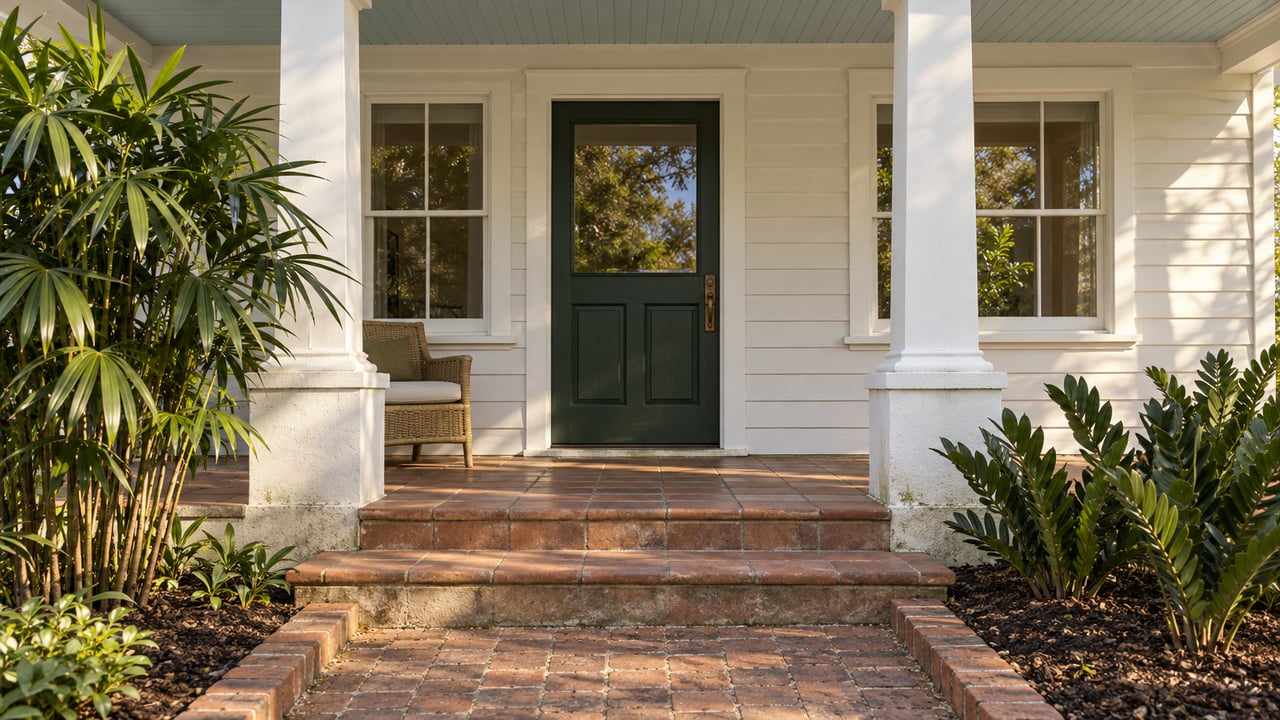
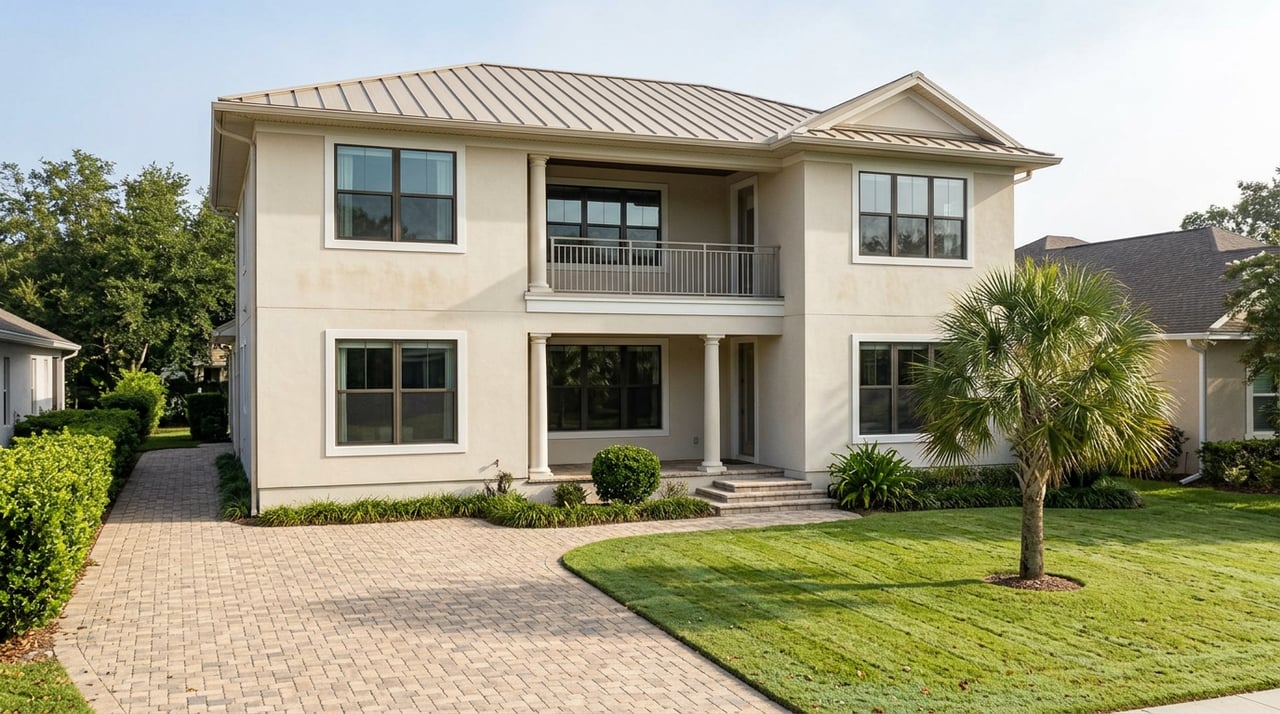
You will see a tapestry of early 20th-century homes: 1920s to 1940s bungalows and Craftsman cottages, Mediterranean and Spanish Revival designs, Mission influences, and a handful of later infill properties. Lots are modest and typically oriented to the street with welcoming porches and mature landscaping.
Inside, many homes keep period details like original woodwork and plaster walls. Rooms can be smaller than modern construction, and older wood-frame windows and limited thermal insulation are common. These traits add character while creating practical choices around comfort, storage, and efficiency.
Sidewalks and a mature canopy make Old Northeast very walkable. Many daily needs like coffee, quick lunch spots, and services are within a short walk or bike ride, especially near the downtown edge and Central Avenue corridors. For larger supermarkets and big-box retail, you will drive a short distance outside the neighborhood.
Dining and culture lean outdoors and urban. It is easy to reach downtown restaurants, bars, museums, and the waterfront event calendar. Weekends often include bayfront walks, markets, and cultural outings.
Driving access is straightforward, with a short hop to I-275 and regional roads. Expect most parking to be on-street. Many historic lots have narrow driveways and a limited number of single-car garages.
Public transit through the Pinellas Suncoast Transit Authority serves the area, and biking is common thanks to flat, bike-friendly streets. Downtown commutes are usually quick. Regional commutes across the county or county line take longer and vary by employer location.
Old Northeast is served by the Pinellas County School District. School assignments and magnet program availability change over time, so verify current zoning and options directly with the district. Several hospitals and specialty medical providers sit in or near downtown, which is helpful if proximity to care is a priority.
Municipal water and sewer are standard, and major internet and cable providers operate in the area. Confirm broadband availability per address if remote work is important to you.
Because Old Northeast has local historic-preservation rules, visible exterior changes typically require city review and a Certificate of Appropriateness. This often includes items like porches, rooflines, windows, and front-yard alterations. Interior changes are generally not reviewed, but policies can vary. If you plan a visible addition or major exterior work, build in time and cost for approvals and design requirements.
Proximity to the bay brings increased exposure to tidal and nuisance flooding, storm surge, and long-term sea-level rise. Conditions vary block by block. Many low-lying or bay-adjacent parcels fall into FEMA flood zones that can trigger lender-required flood insurance. Obtain a flood-zone determination early, review any elevation certificate on file, and get quotes to understand premium range based on elevation and structure characteristics.
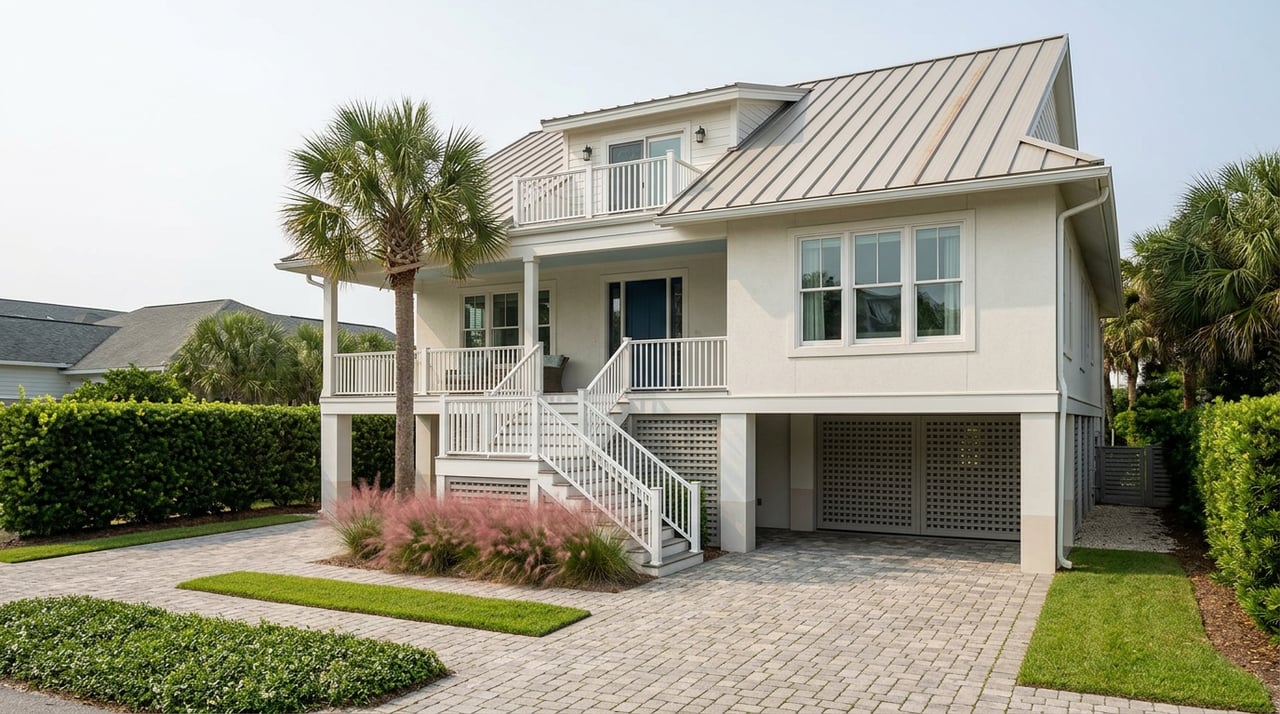
For wind and storm preparedness, look for hurricane mitigation features such as impact-rated windows, shutters, and roof strapping. Ask about the home’s hurricane upgrades and any available documentation.
Lots are often compact, and many homes were built before widespread car ownership. You may see shallow rear yards, limited garage space, and reliance on on-street parking. If off-street parking is a priority, confirm driveway width, garage clearance, and any rear alley access.
Older Florida houses can have age-related issues that are manageable if you know what to look for. Plan a thorough review before you write an offer or during inspections.
Use this quick checklist when you tour homes in Old Northeast. It will help you spot maintenance needs and confirm practical fit.
Historic homes require more hands-on care than many newer builds. Plan for regular exterior paint, woodwork preservation, and proactive pest control. Energy improvements like upgraded insulation and HVAC can boost comfort, though they may require careful planning in older structures.
Property taxes follow Pinellas County rates. Florida offers a homestead exemption for qualifying owner-occupants that can materially affect annual tax bills. Confirm the current assessed value and any exemptions with county records before you finalize a budget.
You are likely a great match if you value walkability, porch culture, and quick access to downtown and the bay. Many buyers here include downsizers and empty-nesters who want a character home and professionals and creatives who want a short commute and an active city lifestyle.
Demand often outpaces supply for well-maintained bungalows and homes close to downtown. Expect competition for move-in-ready properties, and budget for updates or preservation-appropriate renovations if you choose a home with original features that need care.
If Old Northeast is on your shortlist, you deserve a plan that balances lifestyle goals with smart due diligence. From relocation consulting to buyer representation and seller marketing, you can count on boutique attention paired with team resources and Compass tools. Schedule a strategy session to map your search, line up inspections, and preview homes that fit your style and budget.
When you are ready to take the next step, connect with Madison Wells for neighborhood guidance, on-the-ground touring, and a clear path to closing.
Stay up to date on the latest real estate trends.