Historic Old Northeast Buying Guide for St. Pete Homes
March 24, 2026
March 24, 2026
Brick streets, bay breezes, and porch‑lined bungalows draw you to Historic Old Northeast for good reason. Still, buying in a century‑old neighborhood is different from buying in a newer subdivision. You want the charm without unexpected surprises. In this guide, you’ll learn how “historic” rules actually work, which inspections matter most, how flood and insurance factors play in, and a step‑by‑step checklist to shop with confidence. Let’s dive in.
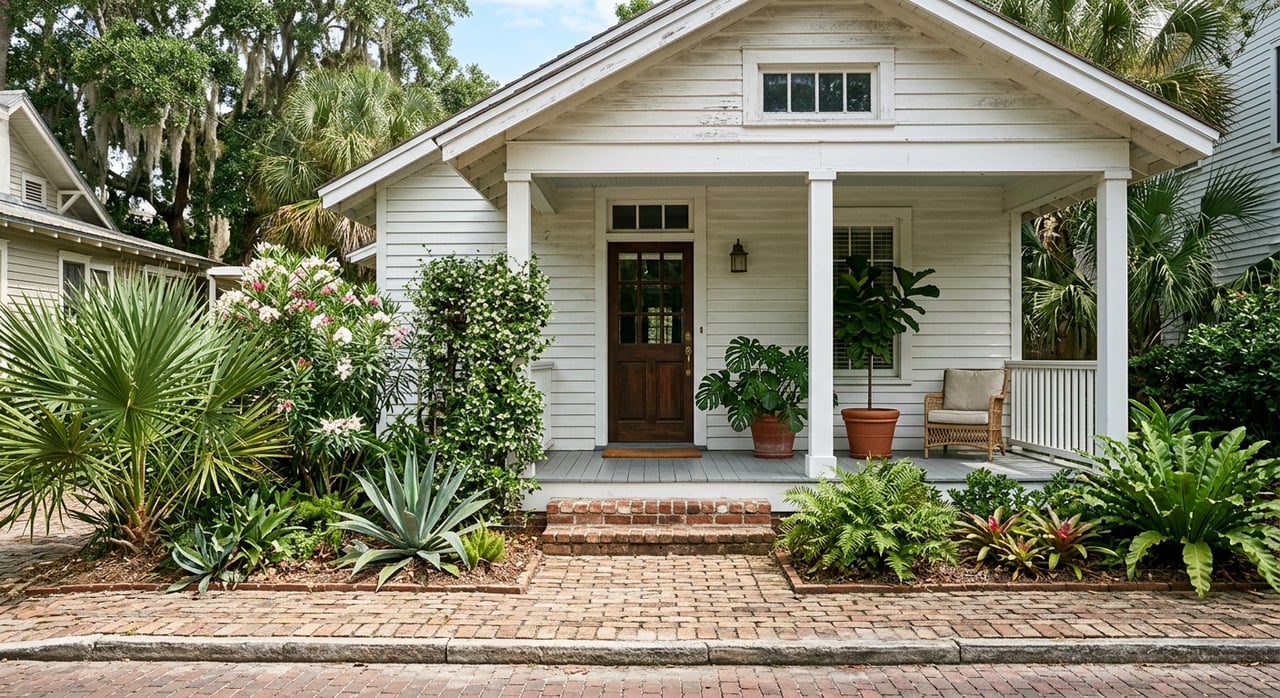
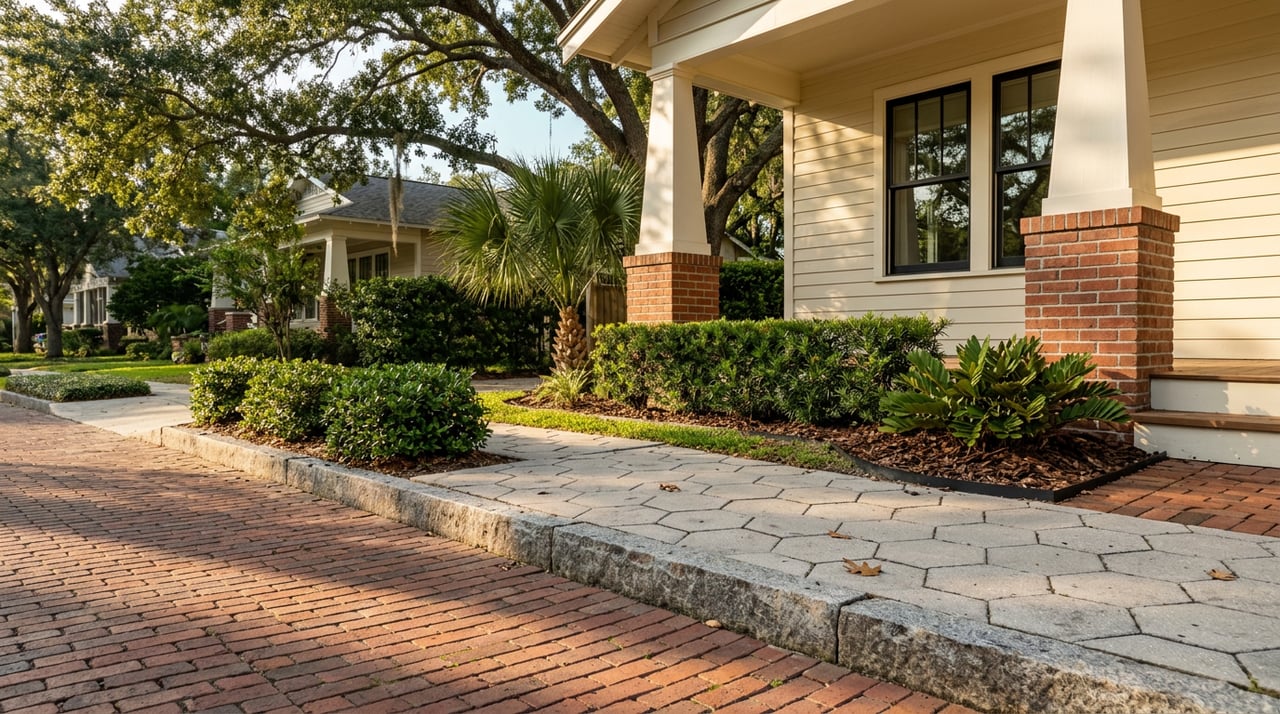
Historic Old Northeast, also known as the North Shore Historic District, is one of St. Petersburg’s largest early‑20th‑century neighborhoods. You’ll see an architectural mix that includes Craftsman bungalows, Mediterranean Revival, Colonial Revival, Prairie, Minimal Traditional, and Ranch homes. The neighborhood also retains hallmark details like brick streets, hex‑block sidewalks, and granite curbs that set the tone for everyday living. You can read more about the district’s character in the National Register nomination for the area, which was listed in 2003, including its general boundaries and defining features in the public realm.
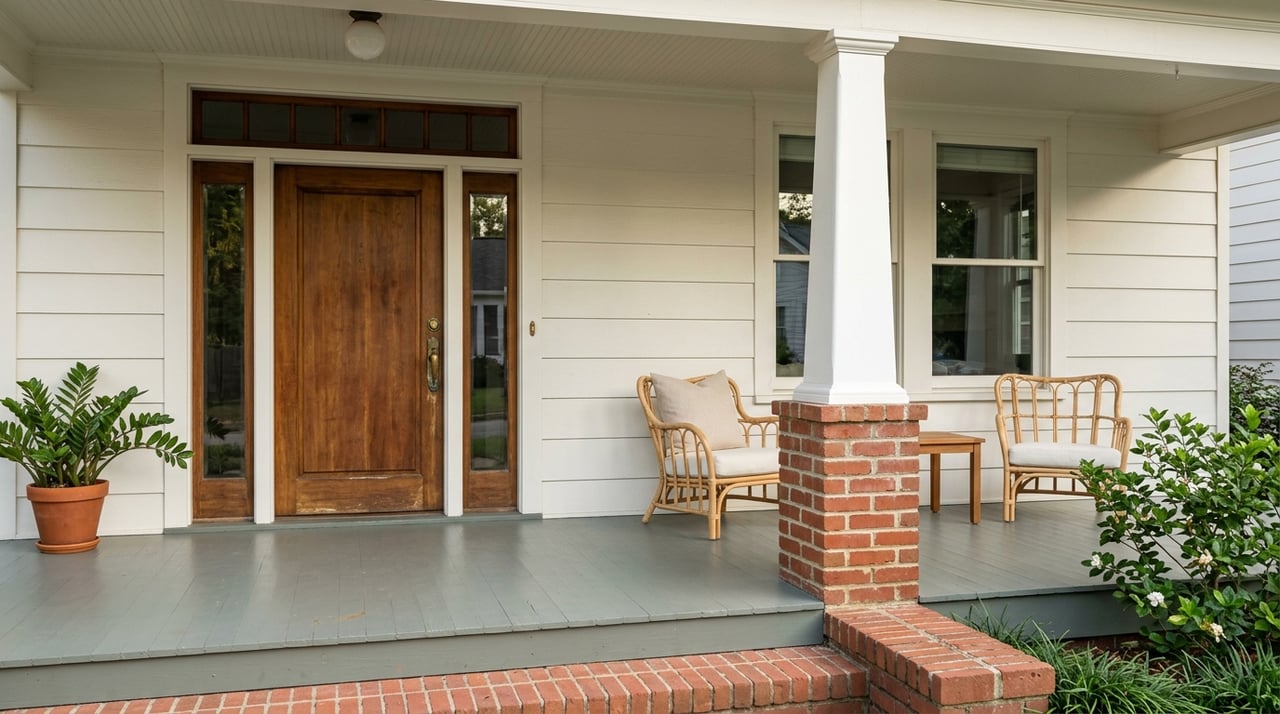
Expect tree‑canopied, narrow, walkable streets with many homes oriented to front porches and alleys. These features are a big part of the appeal, and they also influence parking, permitting, and maintenance decisions.
National Register nomination: North Shore / Historic Old Northeast
“Historic” can mean two different things. A National Register listing is typically honorary and does not by itself require design review. Local historic designation is regulatory. If a property is locally designated or sits within a locally designated historic district, exterior changes often require review and approval. Always confirm whether a specific property is locally designated or only on the National Register before you plan work.
St. Petersburg’s Historic and Archaeological Preservation rules require a Certificate of Appropriateness (COA) before exterior alterations on locally designated landmarks or within locally designated districts. Regulated items can include changes to roofs, windows, walls, additions, new construction, relocation, demolition, and even painting previously unpainted masonry. The City also encourages a pre‑application meeting with preservation staff for significant work, and you will still need building permits in addition to any COA.
The City has published design guidance that favors repair over replacement, compatible materials, and preserving street‑visible features. Old Northeast planning materials also highlight the importance of brick streets, hex‑block sidewalks, and granite curbs. Review the guidance before you budget exterior work so your plans align with local expectations.
Many Old Northeast homes date from the 1910s to 1940s, and Florida’s heat, humidity, and storms add wear over time. A strong inspection plan protects your budget and insurance eligibility. In addition to a full home inspection, consider these targeted evaluations:
Red flags that warrant extra scrutiny include active WDO evidence, large undocumented alterations, roofs near end of service life, severely corroded sewer laterals, or unsafe electrical systems.
Old Northeast sits beside Tampa Bay and Coffee Pot Bayou, so elevation and proximity to the water change rapidly across the neighborhood. Check FEMA flood maps and ask for an elevation certificate where relevant. If a home is in a Special Flood Hazard Area, most lenders will require flood insurance through the National Flood Insurance Program.
For older homes, many insurers require a “4‑point” inspection that focuses on roof, electrical, plumbing, and HVAC. A current wind‑mitigation inspection can sometimes earn premium credits if the home has qualifying features like stronger roof attachments or opening protection. Because Florida’s wind‑mitigation form has been updated, confirm the current effective form with your insurer or inspector.
Roof replacement costs vary widely by size, materials, and complexity. National estimates for a typical Florida home show a broad range for asphalt shingles and higher costs for clay or concrete tile. Use this only as a ballpark and get at least two local bids: Roof replacement cost overview
If your wind‑mitigation report shows strong features, some insurers offer premium discounts. Review the state’s guidance on hurricane loss‑mitigation credits to understand what may apply to you.
Florida law allows counties and cities to adopt historic‑preservation ad valorem tax exemptions that can exempt a percentage of the assessed value of qualifying improvements after rehabilitation. St. Petersburg has used this tool on eligible projects. If you plan a substantial rehab, ask the City and the county property appraiser whether your project could qualify.
Old Northeast was built with alleys and narrow lots. Many garages face alleys rather than the street, and curb cuts are limited to protect historic brick and curbing. If multiple off‑street spaces or a garage are important, make that a search filter and confirm dimensions in person.
Because events along the waterfront can increase demand for curbside spaces, check local signs for any time limits or restrictions near your target blocks. If you are considering driveway changes, know that the City prioritizes preserving brick streets and granite curbs, which can shape what is allowed.
Buying in Historic Old Northeast can deliver daily joy, from morning walks under the oaks to evening breezes along the bay. With a clear plan for inspections, an understanding of historic rules, and smart budgeting, you can protect your investment and enjoy the neighborhood’s character for years to come. If you want a knowledgeable partner to help you weigh trade‑offs block by block, reach out to Madison Wells for local guidance and a smooth, well‑coordinated purchase.
Stay up to date on the latest real estate trends.

MADISON WELLS
200 CENTRAL AVE STE 111 ST PETERSBURG FL 33701