Anna Maria Island Second Home Guide for Buyers
May 7, 2026
May 7, 2026
Buying a second home on Anna Maria Island sounds simple until you realize the island does not operate by one shared rulebook. If you are dreaming about a place for weekend escapes, seasonal stays, or occasional rental income, you need more than a pretty view and a closing date. You need to understand how city rules, flood exposure, insurance, and property type can shape your ownership experience. Let’s dive in.
One of the biggest mistakes second-home buyers make on Anna Maria Island is treating the island like a single market with a single set of rules. In reality, the City of Anna Maria, Bradenton Beach, and Holmes Beach each have their own standards for rentals, parking, floodplain issues, and code enforcement.
That means the exact address matters just as much as the home itself. Two properties only a short distance apart can come with very different rules, costs, and day-to-day responsibilities. When you buy here, you are not just choosing a lifestyle property. You are also choosing a specific local compliance environment.
A second-home budget on Anna Maria Island should go well beyond your mortgage and closing costs. Because this is a coastal market, you will want to plan for recurring expenses that can be more significant than buyers expect.
Your budget may need to include:
In Manatee County, the homestead benefit is generally tied to a primary residence. The property appraiser states that you must establish permanent Florida residency and apply by the March 1 deadline. For most second-home buyers, that means it is smart to budget without assuming homestead tax savings.
Flood risk is a major part of owning on Anna Maria Island. The City of Anna Maria says the city falls entirely within the 100-year floodplain and coastal high hazard area. Bradenton Beach also states that all properties in the city are in a special flood hazard area.
This matters for both cost and timing. Flood insurance is typically a separate policy, since standard homeowners insurance does not cover flood damage. FEMA also notes that new NFIP policies usually have a 30-day waiting period unless a specific exception applies.
Before you buy, it helps to confirm the property’s flood zone and understand how that may affect your insurance needs. Manatee County’s GIS tools can help buyers check flood zone information by address, along with other practical details like evacuation level.
On a coastal property, wind-resistant features are not just nice to have. They can affect your insurance profile and long-term planning. The Florida Office of Insurance Regulation uses the Uniform Mitigation Verification Inspection Form to document features such as roof shape, opening protection, and roof-to-wall attachments.
If you are considering an older property or a home that has been updated over time, it is worth verifying these items before closing. A clear understanding of the home’s storm-resistant features can help you budget more accurately.
For many second-home buyers, this is the biggest early decision. Both options can work well on Anna Maria Island, but the ownership experience can feel very different.
A condo can appeal to you if you want a more turnkey setup with less exterior maintenance. That can be especially attractive for a second home that you will not occupy year-round.
The tradeoff is that you are buying into an association structure. That means rules, budgets, financial statements, insurance decisions, maintenance responsibilities, and possible rental restrictions all matter.
Florida law requires prospective condo buyers to receive important documents and financial information. These materials can help you review the declaration, bylaws, rules, annual budget, and other records so you can better understand reserve health and any limits on use.
Older or taller condo buildings may need even closer review. Florida’s milestone inspection law requires certain condominium buildings to undergo structural inspections at specified ages, and buildings three habitable stories or higher must complete a structural integrity reserve study at least every 10 years.
That does not mean condos are a poor choice. It simply means you should understand whether monthly fees are keeping up with actual building needs and whether future assessments could be part of ownership.
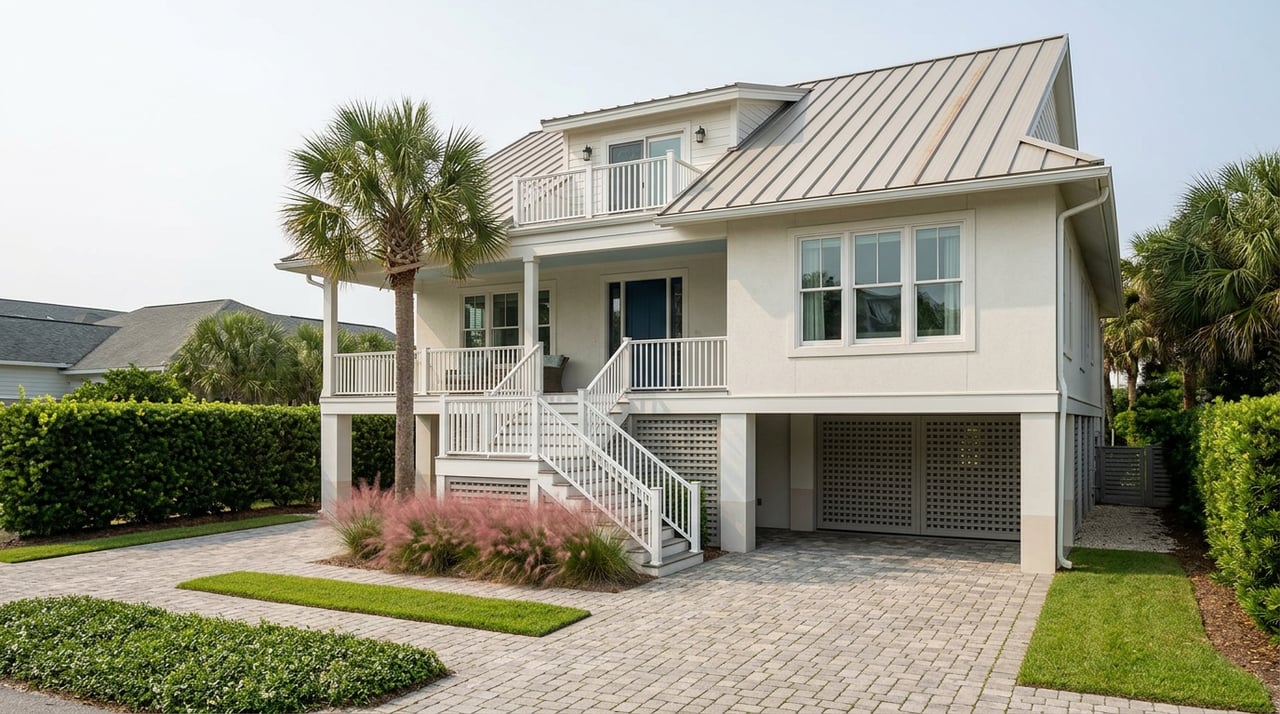
A single-family home often gives you more control. You may have more flexibility with outdoor space, furnishings, renovation choices, and how you use the property as a second home.
The tradeoff is that you are fully responsible for the upkeep. On a coastal island, that can include roof care, exterior maintenance, storm prep, landscaping, and permit-related improvements.
Bradenton Beach’s code enforcement guidance is a good reminder of how active property maintenance can be. The city notes that upgrades like decks, fences, pools, AC change-outs, and windows may require permits, and exteriors must be kept in good repair.
A home can look move-in ready and still come with future limitations tied to floodplain rules. Anna Maria’s flood resources note that elevation certificates and FIRM determinations are available upon request. Bradenton Beach also warns that if a structure is below the 100-year flood elevation, flood-damage-prevention regulations may affect remodeling, renovations, or additions.
That is why second-home buyers should look at more than finishes and square footage. If you expect to update, expand, or significantly improve the property over time, it is wise to understand what may be possible before you close.
Many buyers start with a simple idea: use the home part of the year and rent it out the rest. On Anna Maria Island, that plan needs to be checked carefully against city rules before you assume it will work.
In the City of Anna Maria, vacation rentals require annual registration. The city also requires items such as a current DBPR transient public lodging license, Florida Department of Revenue registration, an active Manatee County Tax Collector account, property sketches, and annual inspection scheduling.
The city states that a new vacation rental may not be advertised or rented until written authorization is received. That makes verification essential before you count on short-term rental income.
Bradenton Beach uses a different framework. The city says that any unit rented to guests more than three times in a calendar year for periods of less than 30 days or one calendar month, whichever is less, must be registered with the state as a short-term rental and obtain a Transient Public Lodging Establishment license from the city.
The city also emphasizes permit compliance, noise control, and property upkeep as active code-enforcement issues. In practical terms, that means the property has to work operationally, not just financially.
Holmes Beach also has its own vacation rental regulations in its code of ordinances. The key takeaway is simple: rental use is municipality-specific on Anna Maria Island.
If rental income is part of your plan, you will want to confirm current city requirements, condo or HOA restrictions, and how the property will be managed when you are away. In the City of Anna Maria, owners can designate an agent, but the owner remains responsible for the agent’s actions.
A second home here may be a getaway, but it is not hands-off. Anna Maria’s visitor rules show how local regulations can shape daily use. The city prohibits alcohol, glass containers, pets, grills or fires, motorized vehicles, and bicycles on the beach, and it requires beach furniture, equipment, and trash to be removed daily.
The city also enforces parking laws strictly and sets quiet time from 10 p.m. to 8 a.m. These details may seem small during a showing, but they can affect guest behavior, convenience, and how much oversight your property may need.
When you buy a second home on Anna Maria Island, the goal is not just to find a beautiful property. The goal is to find one that fits how you actually plan to use it.
If you want a lower-maintenance retreat, a condo may offer a simpler day-to-day experience, but you will want to review the association carefully. If you want more privacy and control, a single-family home may be a better fit, but you should be ready for more direct maintenance and permitting responsibility.
If rental income matters, verify the city rules first. If personal enjoyment matters most, focus on the property type, location, parking access, and maintenance profile that will create the least friction for you over time.
The right second home on Anna Maria Island is not just attractive on paper. It is a home that aligns with your budget, your goals, and the exact rules tied to its address.
If you are thinking about buying a second home on Anna Maria Island, working with a local advisor can make the process much clearer. Madison Wells can help you compare property types, understand local considerations, and find a home that fits the way you want to live.
Stay up to date on the latest real estate trends.