Experiencing the Anna Maria Island Lifestyle
April 2, 2026
April 2, 2026
If your idea of coastal living includes beach walks, trolley rides, sunset stops, and a slower daily rhythm, Anna Maria Island is worth a closer look. This seven-mile barrier island offers more than pretty views. It gives you three distinct ways to enjoy island life, each with its own pace and personality. If you are thinking about buying here, relocating, or finding a second home, understanding how the island actually functions can help you choose the right fit. Let’s dive in.
Anna Maria Island is not one uniform beach town. According to the Anna Maria Island Chamber of Commerce, the island includes three municipalities: Anna Maria, Holmes Beach, and Bradenton Beach.
That matters because each area supports a slightly different lifestyle. In simple terms, you can think of the island as three connected zones: a quieter north end, a practical middle, and a more activity-oriented south end. If you want a relaxed coastal lifestyle that matches your goals, that distinction is key.
The City of Anna Maria describes itself as the island’s most residential and laid-back area, and the chamber also calls it the quietest part of the island. Pine Avenue serves as the main street, but the overall feel is more low-key than busy.
The city also notes that the entire community is a bird sanctuary, with dolphins, manatees, and loggerhead turtles woven into daily life. If you picture peaceful mornings, residential streets, and a strong connection to the natural setting, the north end may be the version of island living that speaks to you most.
Holmes Beach functions as the island’s commercial center. Its comprehensive plan emphasizes a walkable town center while preserving its single-family character and supporting owner-operated businesses.
The city community site highlights more than 20 beach access points and 12 parks, plus restaurants and shopping centers. If you want island living with easier access to everyday services and amenities, Holmes Beach often feels like the most practical choice.
Bradenton Beach describes itself as a small and friendly island community with Old Florida charm and access by land and sea. Its Bridge Street district is the island’s most concentrated social and commercial area, with shops, restaurants, live music, and public parking.
This part of the island may appeal to you if you enjoy being close to more activity. It still feels coastal and local, but the day-to-day rhythm is a bit more social and energetic than the north end.
One of the biggest draws on Anna Maria Island is how daily routines naturally revolve around the coast. Here, time is often shaped by weather, sunset, walkability, and water access rather than by rush-hour habits.
That does not mean every day feels like a vacation. It means the island has a lived-in coastal routine, where beaches, parks, piers, and local gathering spots all play a practical role in how you move through the week.
Manatee Public Beach is one of the island’s most amenity-rich beach areas. The county lists lifeguards year-round, concessions, a playground, volleyball, wheelchair rentals, a beach wheelchair mat, and a trolley stop.
That mix of features makes it one of the easiest places to enjoy a full beach day without much planning. It also helps explain why Holmes Beach is often seen as a convenient center for both full-time and part-time island living.
On the north end, Anna Maria Bayfront Park offers a different kind of shoreline experience. The park includes shaded picnic tables, grills, restrooms, and views of Tampa Bay, Egmont Key, and the Sunshine Skyway Bridge.
Because there is no lifeguard on duty, it reads more as a scenic place to gather, picnic, or watch the sunset than as a primary swim beach. If you value peaceful water views and a more residential backdrop, that setting reinforces the slower pace many buyers want.
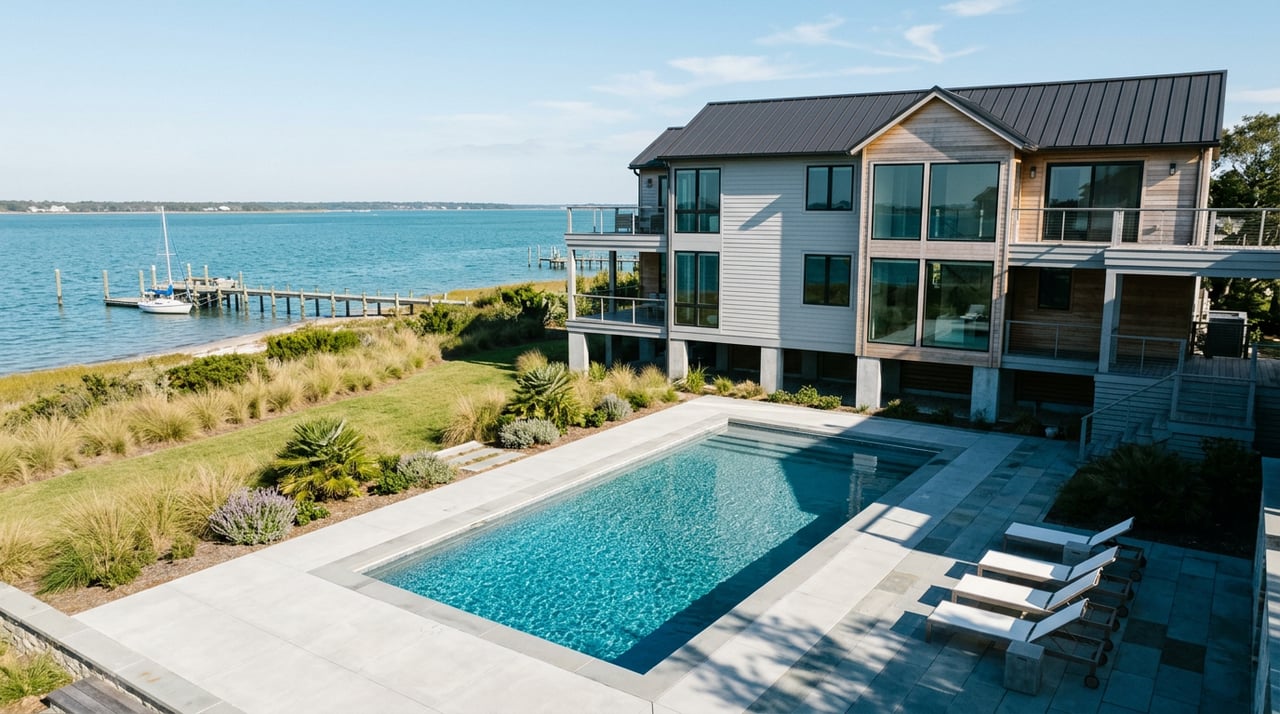
Coastal living here also extends beyond the sand. Bradenton Beach’s City Pier includes a restaurant and a public day dock for first-come, first-served short-term tie-up, while the Coquina Bayside South Boat Ramp supports boating access on the south end.
That combination of piers, docks, and boat access helps make the island feel like a true waterfront community, not just a beach destination. If boating, fishing, or being near the bay is part of your lifestyle, that is an important part of the island’s appeal.
Relaxed island living is real, but it works best when you understand the practical side too. On Anna Maria Island, mobility and parking can shape your experience as much as the views.
The good news is that the island offers a simple transportation rhythm once you learn it. Many people rely on walking, biking where allowed, and public transit rather than trying to park everywhere they go.
The free Anna Maria Island trolley Route 5 runs every 20 minutes from the Anna Maria City Pier to Coquina Beach from 6:00 a.m. to 10:30 p.m. daily, year-round. The chamber notes that it loops the island and helps reduce traffic and parking stress.
For many residents and visitors, that trolley is part of the lifestyle rather than just a convenience. It makes it easier to enjoy different parts of the island without treating every outing like a parking search.
From December through April, the chamber says the Beach ConneXion Shuttle runs on weekends and holidays from the mainland to help drivers avoid heavier traffic on Manatee Avenue. It connects directly to the island trolley at Manatee Public Beach.
That seasonal service is a good reminder that demand rises at certain times of year. If you are considering a home on the island, it helps to think not only about location, but also about how you want to move around during busier months.
Parking is one of the most important quality-of-life details to know before you buy. The City of Anna Maria says parking laws are strictly enforced, with standard parking fines increased to $75 and handicap-parking fines to $250 in July 2025.
Bradenton Beach says public parking areas are free but close at 9 p.m. and do not allow overnight parking. Holmes Beach also shares beach parking updates and notes that photos are posted during peak hours so people can check conditions before heading out.
Part of what keeps Anna Maria Island appealing is that the community actively protects its environment and residential feel. If you are drawn to the island, it is important to know that stewardship is part of the lifestyle.
For many buyers, that is a positive. These rules help preserve the setting people come here to enjoy in the first place.
The City of Anna Maria says sea turtle nesting season runs from May 1 to October 31 and prohibits artificial lighting that illuminates the beach. County beach rules also prohibit disturbing turtles or nests and require beach furniture to be removed at dusk.
Those guidelines are not just technical details. They reflect how closely island living is tied to the natural environment and why nighttime beach use tends to stay more subdued.
Anna Maria also prohibits pets, alcohol, glass, and bicycles on the beach, while county rules prohibit drones, campfires, fireworks, and walking on dunes. These policies support both safety and conservation.
If you are considering buying here, it helps to view these rules as part of the island’s identity. The experience is relaxed, but it is not anything-goes.
Anna Maria’s visitor guidance states that pool, spa, and hot tub quiet hours run from 10 p.m. to 8 a.m. That helps reinforce the low-key atmosphere many homeowners value, especially on the north end.
In other words, the island’s appeal is not based on nonstop activity. It is based on a calmer pace that gives residents space to enjoy the setting.
Like any barrier-island community, Anna Maria Island comes with seasonal considerations. The chamber identifies hurricane season as running from June 1 through November 30, and Holmes Beach’s planning documents address storm vulnerability, evacuation planning, and long-term resilience.
That does not make island ownership less appealing. It simply means that buying here should include a practical understanding of weather patterns, infrastructure, and long-term planning.
One current example is the Anna Maria Island City Pier. Manatee County reported in February 2025 that Hurricane Milton damaged the pier and suspended ferry service there until the mid-section is rebuilt, and a February 2026 city agenda projected completion for late fall 2026. If you are evaluating homes and nearby amenities, details like this are worth tracking in real time.
For many people, the island hits a rare balance. It feels scenic and relaxed, but it is also functional enough for real day-to-day living.
You can choose a quieter residential setting, a more central location near services, or a more active area with shops and dining nearby. You also get a strong local-business feel. The chamber’s visitor guide notes that fast-food chains are rare on the island, which adds to the sense that life here is more locally rooted than chain-driven.
If that sounds like the lifestyle you want, working with a local advisor can help you match the right section of the island to your priorities, whether you are searching for a second home, a waterfront property, or a full-time move. If you are ready to explore your options on Anna Maria Island, connect with Madison Wells for thoughtful guidance and full-service support tailored to your goals.
Stay up to date on the latest real estate trends.