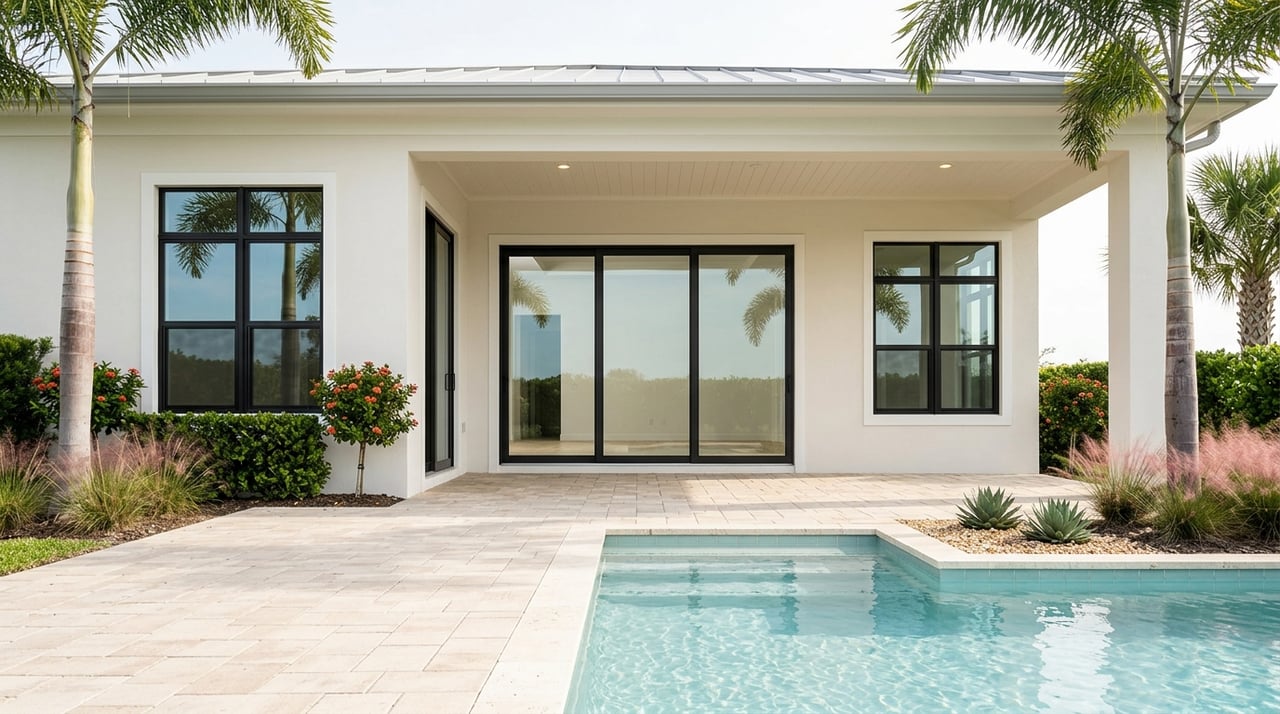
How to Compare Lakewood Ranch New Construction Options
June 11, 2026
June 11, 2026
Thinking about new construction in Lakewood Ranch? It can feel exciting at first, then overwhelming fast. With dozens of villages, different builders, varied HOA fees, and a long list of amenities and upgrades, it is easy to compare only the model home and miss the bigger picture. This guide will help you compare your options more clearly so you can focus on the village, home, and monthly cost that truly fit your goals. Let’s dive in.
In Lakewood Ranch, you are not just choosing a floor plan. You are also choosing a village, its fee structure, its amenities, and its overall ownership experience.
Lakewood Ranch spans more than 35,000 acres with more than 15,000 acres of green space, over 150 miles of trails, 36 villages, and 19 actively selling new-construction villages. That scale gives you a lot of options, but it also means the right comparison should start at the village level before you narrow down builders or plans.
Most village amenity centers are exclusive to that village and supported by that village’s HOA. Community parks and trails are shared more broadly, but the village pool, clubhouse, fitness center, or lifestyle programming may only be available to residents of that specific neighborhood.
Two homes with similar square footage can offer very different day-to-day living depending on the village. One may include maintenance, a lifestyle director, and resort-style amenities, while another may keep fees lower and offer a simpler amenity package.
That is why it helps to compare the full ownership package, not just the base price. A lower monthly fee may come with fewer services, while a higher fee may include more maintenance, programming, or resident-only amenities.
One of the easiest ways to narrow your search is to decide which home type fits your lifestyle best. Lakewood Ranch villages can include townhomes, villas, and single-family homes, and some villages offer a wider spread of price points than others.
For example, Star Farms spans townhomes to higher-end single-family homes. That kind of range can work well if you want flexibility in budget or if you are still deciding how much space and maintenance you want.
Ask yourself how you want to live day to day. If low upkeep is a priority, a maintenance-included option may make more sense than a larger home with more exterior responsibility.
If you want extra yard space, a larger homesite, or room to grow into the property over time, a single-family home may be a better fit. The key is to filter by lifestyle before you fall in love with a specific model.
This is one of the biggest mistakes buyers make with new construction. Published pricing may not include lot premiums, upgrades, or options, so the advertised starting price is often only part of the story.
Lakewood Ranch’s village matrix specifically notes that published prices may exclude lot premiums, upgrades, and options. That means a home that looks comparable on paper may end up with a very different final price once you choose a homesite and finishes.
As you compare villages and builders, ask what is included in the base price and what costs extra. Common variables include:
Some builders include more standard features than others. Solera, for example, advertises concrete-block construction, a smart-home system, stainless appliances, tile in first-floor living areas, and granite countertops. Avalon Woods highlights professionally designed interior choices, which may appeal if you want a more personalized finish package.
HOA fees in Lakewood Ranch vary widely, so it is important to compare what the fee includes, not just the dollar amount. According to Lakewood Ranch, most HOA fees generally cover village amenities, common-area maintenance, some lawn care, and irrigation.
Most fees fall in the $200 to $300 per month range, but the actual spread is much broader. Depending on the village, fees can run from about $100 to $800 per month.
A few village examples show just how wide that range can be:
Those numbers only become meaningful when you pair them with the amenity package. Wild Blue, for instance, includes features like a clubhouse, lifestyle director, event lawn, bar, pickleball and tennis courts, pool, trails, and tot lot. Avalon Woods sits at a much lower fee level with amenities such as a dog park, playground, walking trail, and green space.
If you want a more realistic monthly ownership estimate, do not stop with the HOA. In Lakewood Ranch, the Stewardship District assessment is separate from the HOA and is collected on the property tax bill.
The Lakewood Ranch Stewardship District funds and maintains community-wide infrastructure and natural assets. Its capital-bond assessment is fixed, while its operations-and-maintenance assessment can vary annually.
When you compare homes, include:
This gives you a much clearer side-by-side comparison than base price alone. It can also help you avoid choosing a home that looks affordable upfront but feels heavier month to month.
This step matters more than many buyers realize. Villages north of University Parkway are generally in Manatee County, while villages south of it are generally in Sarasota County.
That said, you should verify the county for the specific village you are considering. County location can affect tax treatment, so it should be part of your comparison from the beginning.
Because Lakewood Ranch spans two counties, similar homes may not carry the same tax picture. If you are comparing two villages on opposite sides of University Parkway, make sure you are evaluating total ownership costs with the county in mind.
This is especially important if you are relocating and are not yet familiar with how Lakewood Ranch is laid out. A quick side-by-side review can prevent confusion later in the process.
Lakewood Ranch’s official village matrix sorts communities by home type, HOA tier, and amenity categories. These are often the features buyers compare most closely: clubhouse, pool, fitness center, lifestyle director, dog park, tot lot, golf, tennis, pickleball, bar or restaurant, gated access, maintenance included, and age restriction.
The best amenity package is not always the biggest one. It is the one you will actually use.
If you want a social calendar and organized events, a village with a lifestyle director may stand out. If you prefer a lower-fee option and mostly care about trails and green space, a simpler amenity package may be the better value.
It also helps to think ahead. The right fit today should still make sense in five or ten years, especially if you are buying with long-term plans in mind.
Lakewood Ranch includes both multigenerational villages and active adult choices. According to the community FAQ, Cresswind and Del Webb Catalina are the two active 55+ villages currently selling, while the broader community is multigenerational.
That distinction can shape everything from amenities to programming to future resale audience. It is not just a label. It changes the living experience.
Cresswind is a gated 55+ village with a resident-only clubhouse, lifestyle director, SmartFIT training center, fitness studio, arts and crafts room, tennis, pickleball, bocce, a resort-style pool, dog park, and event lawn.
Del Webb Catalina is also 55+ and maintenance-included, with a wellness center and spa, café, heated resort pool, golf simulator, restaurant, and 12 miles of trails. If you are considering active adult living, compare not just the homes but also the kind of daily routine and programming you want.
Not all new construction means the same thing. In Lakewood Ranch, some homes are move-in ready, while others are tied to a homesite and build schedule, and some may be to-be-built plans.
That difference can have a major impact on your move timeline. If you need to coordinate a relocation, a lease end date, or the sale of your current home, delivery timing should be one of your first filters.
A typical homebuilding sequence includes:
Structural decisions and lot selection usually happen early. Finish selections and punch-list items tend to come later.
Some builders also include additional walkthroughs, such as pre-drywall or pre-closing orientations. Since schedules vary by builder, ask exactly what meetings, milestones, and updates are included before you sign.
Builder incentives can be helpful, but they should not drive the whole decision. Lakewood Ranch notes that builder offers are subject to availability, vary by builder and community, and may be changed or withdrawn at any time.
That means an incentive may look appealing today but come with conditions tied to timing, lender choice, or a specific homesite. It is smart to compare the short-term benefit against the long-term cost of the home.
Before you count on an incentive, ask:
A good comparison keeps the incentive in context instead of letting it overshadow the fundamentals.
New does not mean you should skip due diligence. Buyers should understand both the inspection process and the warranty coverage before moving forward.
A builder warranty is separate from a home warranty or service contract. New-home warranties often provide about one year of workmanship and materials coverage, two years for many systems, and sometimes up to 10 years for structural defects.
As you compare builders, ask:
These details can affect your confidence in the purchase just as much as design selections or amenities.
Lakewood Ranch says buyers can work directly with the builder, but many choose a realtor to help identify needs, manage communication with the builder, and explain Florida-specific issues. That support can be especially valuable when you are comparing villages, fees, timelines, and upgrade decisions all at once.
With new construction, the details matter. A thoughtful comparison can help you look beyond the model home and choose the right combination of location, monthly cost, amenities, and delivery timeline for your life.
If you want a clear, side-by-side plan for comparing new construction in Lakewood Ranch, Madison Wells can help you sort through villages, builders, timelines, and true ownership costs with local guidance that keeps the process simple.
Stay up to date on the latest real estate trends.

MADISON WELLS
200 CENTRAL AVE STE 111 ST PETERSBURG FL 33701